


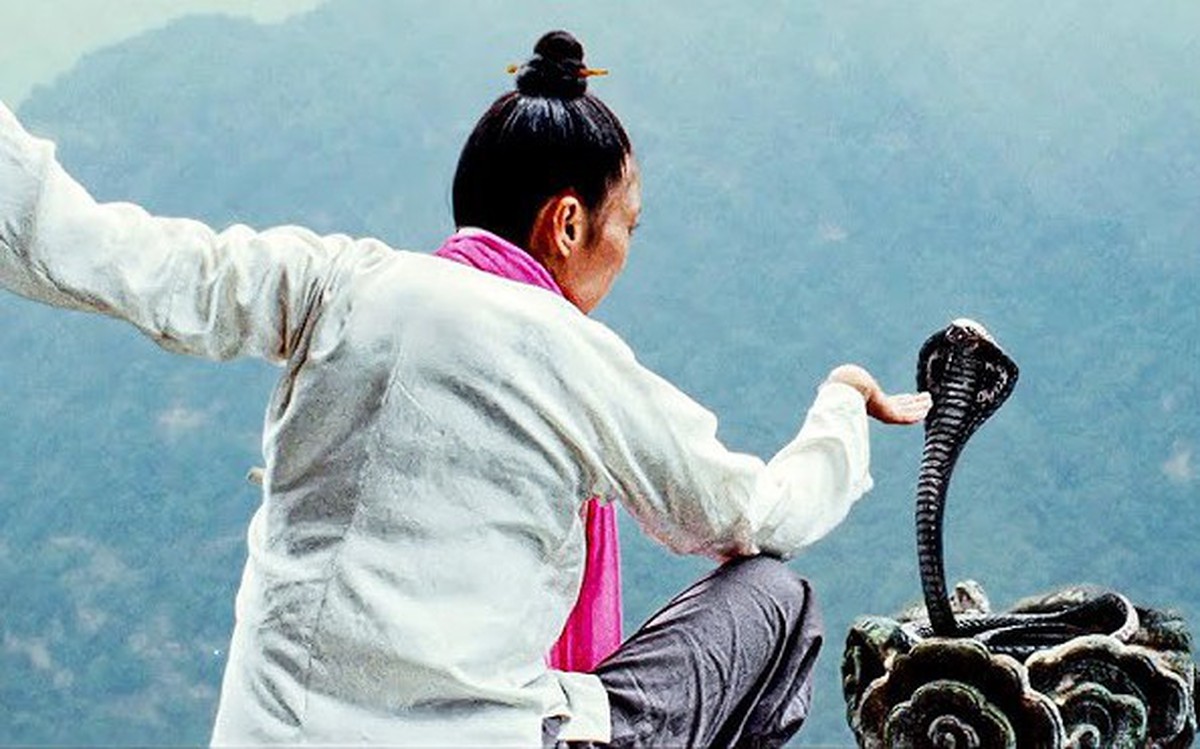
Which Animals Are Most Popular in Chinese Kung Fu?
Translated from Vietnamese, summarized and contextualized by DistantNews.
TLDR
- Chinese kung fu masters historically drew combat inspiration from animals, developing techniques and strategies based on their movements and fighting styles.
- While dragons and tigers are common symbolic representations, snakes are considered by many martial arts researchers to have had the most profound and widespread influence on kung fu techniques.
- Snake-style kung fu, or Shequan, emphasizes quick, straight strikes, exploiting defensive gaps, and using the 'snake hand' to target vulnerable areas, influencing various major martial arts schools.
The rich tapestry of Chinese martial arts, or kung fu, is deeply interwoven with the natural world, particularly the animal kingdom. For millennia, martial artists have observed and emulated the unique characteristics of various creatures to refine their combat prowess. While iconic animals like the dragon and tiger often capture the imagination, appearing in the names of powerful techniques and symbolizing strength and authority, a closer examination reveals a more subtle yet pervasive influence: the snake.
Researchers highlight that the true depth of animal influence in kung fu lies not just in mimicking physical forms, but in adopting the underlying principles of movement and combat strategy. This is why seemingly less 'majestic' animals, like the snake, have had such a profound impact on practical application. Snake-style kung fu, or Shequan, is found across numerous schools, from the renowned Shaolin to Southern styles like Hung Gar.
The snake's influence is characterized by its agility, precision, and ability to exploit weaknesses. Its strikes are often quick, direct, and designed to penetrate defenses, while its 'snake hand' technique targets vital points. The footwork emphasizes evasiveness, sudden changes in direction, and close-quarters engagement. This philosophy of 'yielding overcomes the strong' is a hallmark of many Southern Chinese martial arts, mirroring the snake's strategy of avoiding direct confrontation and seeking openings for counter-attack.
Even prominent styles like Wing Chun and Wudang, alongside Shaolin, exhibit snake-like characteristics in their centerline strategies, straight-line attacks, and close-range trapping techniques. This pervasive influence demonstrates how the observation of nature has fundamentally shaped the evolution and effectiveness of Chinese martial arts, offering a unique perspective on combat that prioritizes adaptability and strategic exploitation over brute force.
Chinese martial arts training manuals
DistantNews Editorial
Originally published by Tuổi Trẻ in Vietnamese. Translated, summarized, and contextualized by our editorial team with added local perspective. Read our editorial standards.
More Stories



From Our Blog

What Gets Lost (and Found) When News Is Translated

The Critical Role of Diaspora Media in Global News

What Travellers Should Know About Countries with Restricted Press

A Digital Nomad's Guide to Following Local News

How the Same Story Looks Different in Different Countries
