

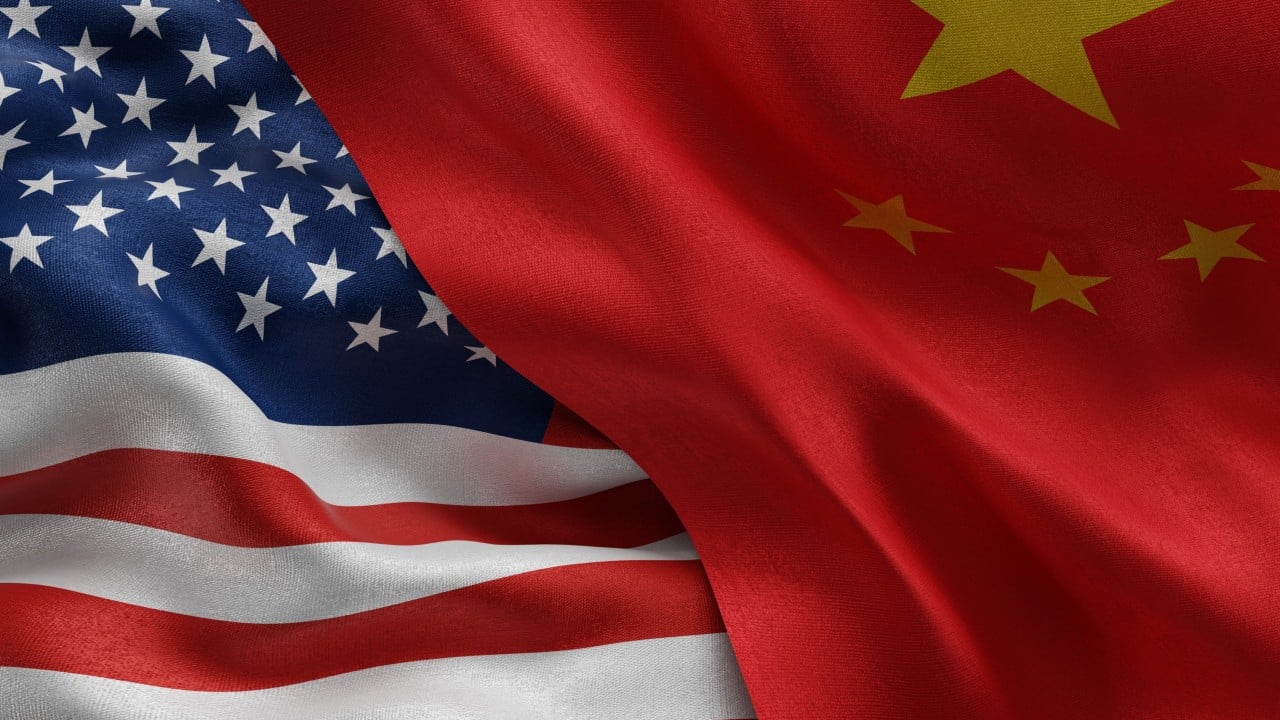

Why Beijing now wants its spies executed in Taiwan to come in from decades in the cold
Summarized and contextualized by DistantNews.
TLDR
- Beijing is reframing the execution of Communist Party spies in Taiwan within a narrative of national reunification.
- A former residence of spy Wu Shi in Fuzhou has been renovated and opened as a "National Security Education Base."
- The site has become a popular pilgrimage destination, attracting up to 20,000 visitors daily, particularly during Chinese New Year.
In a striking display of strategic messaging, Beijing is transforming a former spy's residence in Fuzhou into a national symbol, weaving the narrative of executed Communist Party agents in Taiwan into its broader reunification agenda. The renovation of Wu Shi's former home in Luozhou town, Fujian province, and its designation as a "National Security Education Base" signifies a deliberate effort to leverage historical events for contemporary political purposes.
This initiative underscores China's persistent focus on Taiwan and its determination to shape public perception, both domestically and internationally. By highlighting the sacrifices of past agents and framing their executions within the context of a struggle for reunification, Beijing aims to galvanize support and reinforce its territorial claims. The dramatic surge in visitors, reaching up to 20,000 per day during Chinese New Year, demonstrates the effectiveness of this approach in capturing public imagination and fostering a sense of nationalistic fervor.
The choice of Fujian province, the closest mainland Chinese province to Taiwan, as a key site for this messaging is no coincidence. Its geographical proximity amplifies the symbolic significance of the reunification narrative. The transformation of a once-crumbling relic into a bustling pilgrimage site reflects a calculated move to create tangible focal points for national security education and patriotic sentiment.
This strategy, while rooted in historical events, is distinctly modern in its execution. The use of popular culture, as evidenced by the hit drama "Silent Honour" that brought Wu Shi's story to prominence, demonstrates Beijing's adeptness at employing diverse channels to disseminate its political messages. The rapid renovation and public opening of the site in just three months highlight the urgency and importance Beijing attaches to this narrative, aiming to solidify its position on Taiwan in the minds of its citizens.
DistantNews Editorial
Originally published by South China Morning Post. Summarized and contextualized by our editorial team with added local perspective. Read our editorial standards.
More Stories


From Our Blog

Countries Without a Free Press: What You Need to Know

What Press Freedom Means for the News You Read

What Gets Lost (and Found) When News Is Translated

The Critical Role of Diaspora Media in Global News

What Travellers Should Know About Countries with Restricted Press
