


With Petition Drive: ÖVP Pushes for Longer Military and Civil Service
Translated from German, summarized and contextualized by DistantNews.
TLDR
- The Austrian People's Party (ÖVP) is pushing for reforms to mandatory military and civil service ahead of Labor Day.
- The ÖVP advocates for an eight-month basic military service plus two months of mandatory militia exercises, and emphasizes the civil service's crucial role in the social and healthcare systems.
- Citing demographic trends, the ÖVP stresses the urgency of finalizing reforms for both military and civil service, warning of drastically smaller future conscript cohorts.
In Austria, the upcoming Labor Day provides a fitting backdrop for the Austrian People's Party (ÖVP) to intensify its push for reforms to the nation's mandatory service systems. The ÖVP, a key player in the current coalition government, is leveraging this occasion to highlight the critical importance of both military and civil service, framing them as essential pillars of Austrian society and security.
The ÖVP recalled before Labor Day that civil service is 'a cornerstone of our social and health system.'
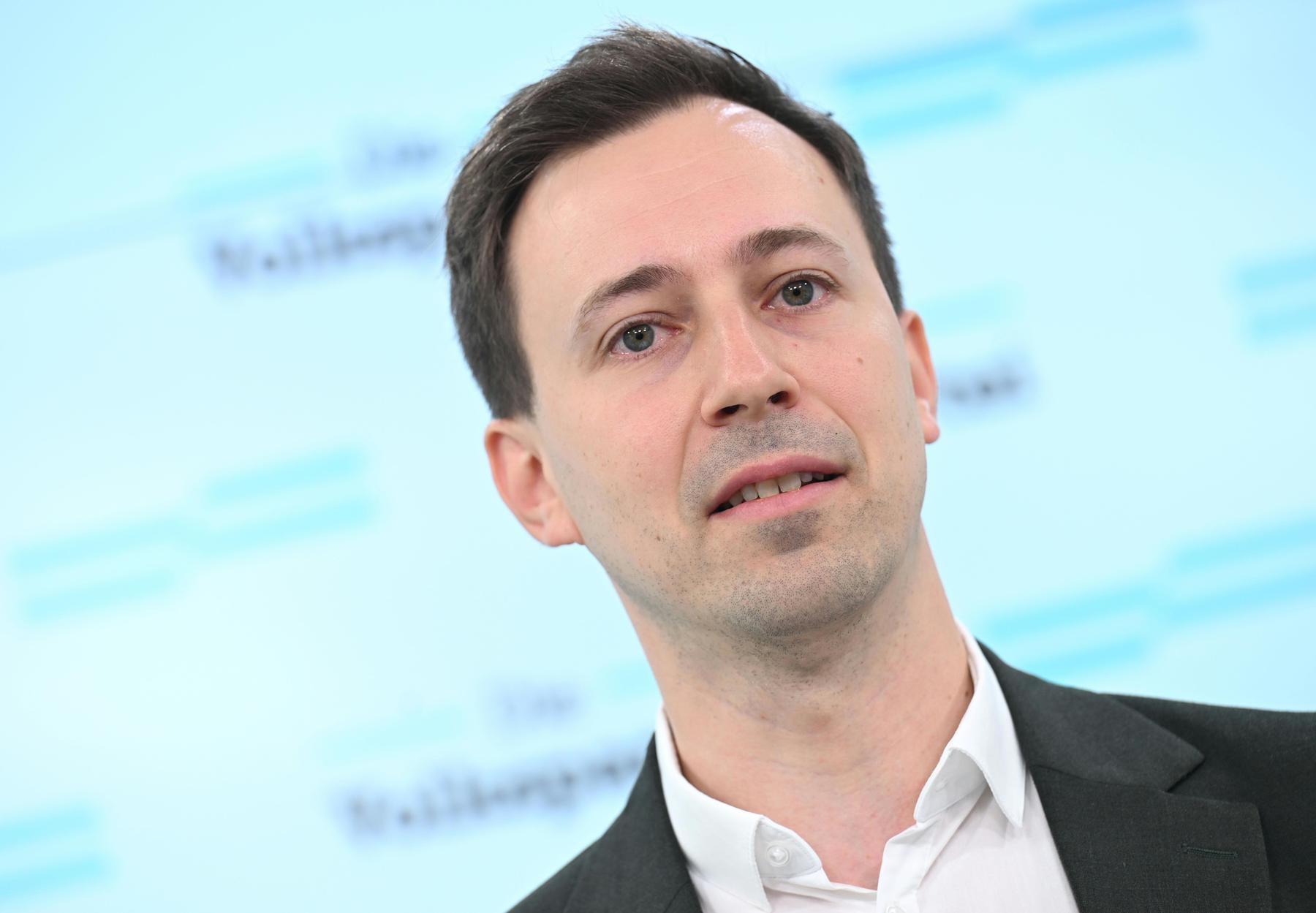
The party's stance, articulated by ÖVP Secretary-General Nico Marchetti and Minister Claudia Bauer, underscores a desire for a modernized and robust defense and social support structure. Their preferred model for military service, "Österreich plus," which includes eight months of basic training followed by two months of militia exercises, aims to balance national defense needs with the practical realities of a smaller conscript pool. This approach reflects a pragmatic view of Austria's security landscape and the need for adaptable, well-trained reserves.
The ÖVP prefers the 'Austria plus' variant – i.e., eight months of basic military service plus two months of mandatory militia exercises.
Crucially, the ÖVP is placing significant emphasis on the reform of civil service, describing it as a "cornerstone" of the social and healthcare systems. This perspective highlights Austria's unique reliance on civil service for the functioning of vital services, from emergency response to elder care. The party argues that demographic shifts, specifically declining birth rates, necessitate a re-evaluation and potential extension of civil service terms to ensure these essential functions can continue effectively.
Marchetti hopes in this case that 'reason will prevail,' as representatives of NEOS and SPÖ have also spoken positively about it.
From an Austrian viewpoint, these discussions are not merely bureaucratic adjustments but are tied to the nation's identity and social contract. The ÖVP's campaign, including the planned "Alliance for Civil Service," aims to galvanize public support and pressure other political parties to reach a consensus. The urgency stems from the demographic reality: Austria, like many European nations, faces a shrinking youth population, making the sustainability of its conscription-based systems a pressing concern. The ÖVP's proactive approach seeks to address these challenges head-on, ensuring that Austria's social fabric and security remain strong for future generations.
This is not a political opinion, it is demographic reality.
DistantNews Editorial
Originally published by Die Presse in German. Translated, summarized, and contextualized by our editorial team with added local perspective. Read our editorial standards.
More Stories

From Our Blog

What Gets Lost (and Found) When News Is Translated

The Critical Role of Diaspora Media in Global News

What Travellers Should Know About Countries with Restricted Press

A Digital Nomad's Guide to Following Local News

How the Same Story Looks Different in Different Countries
