


Without diplomacy, deterrence in Asia is a path to escalation
Summarized and contextualized by DistantNews.
TLDR
- The "Balikatan 2026" military exercise in the Philippines, involving over 17,000 personnel from multiple nations, highlights the escalating security dynamics in the Indo-Pacific.
- The exercise, particularly Japan's first-time participation as an active combat partner, signals a shift towards increased regional military engagement and a more assertive security posture.
- The article argues that without a return to diplomacy, the region risks falling into a cycle of deterrence that multiplies risk rather than containing it, urging a shift from military signaling to diplomatic solutions.
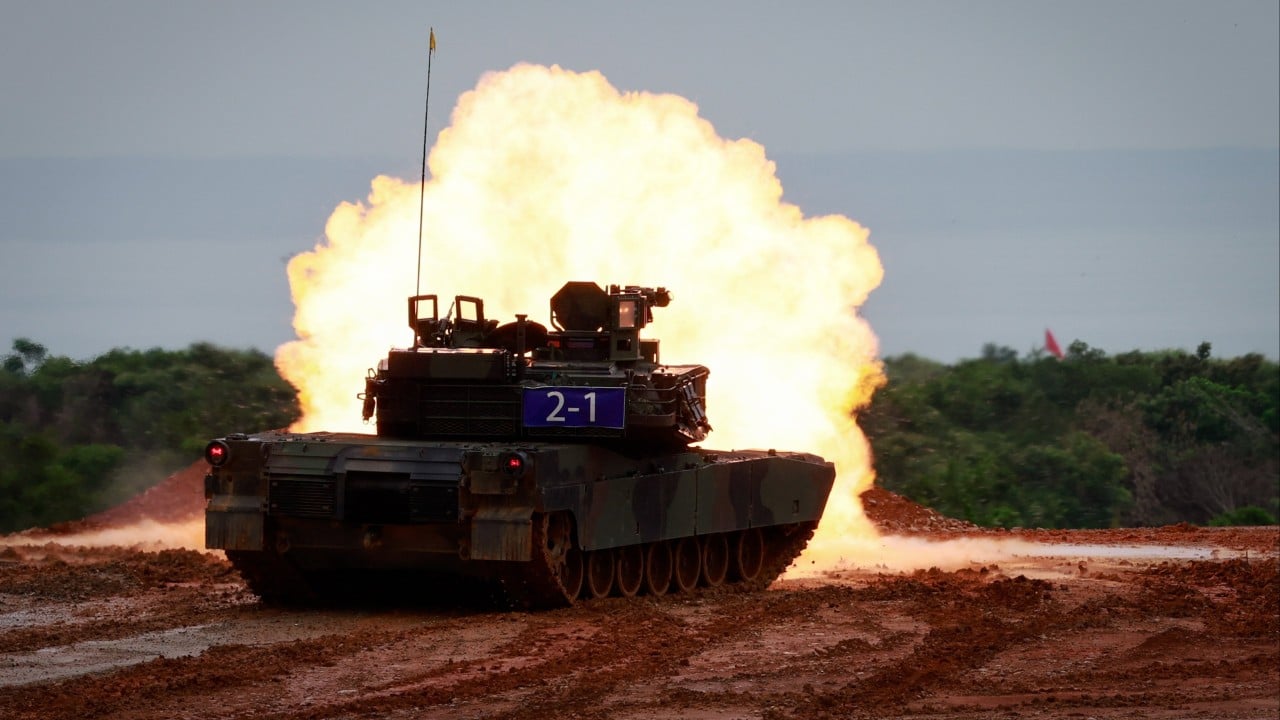
The "Balikatan 2026" exercise, hosted by the Philippines and involving a significant multinational contingent, serves as a stark indicator of the increasingly complex and potentially perilous security landscape emerging in the Indo-Pacific. While ostensibly designed to reassure allies and deter adversaries, the sheer scale and nature of the drills, including Japan's first-time role as an active combat partner, reveal a region drifting towards a security logic where deterrence itself becomes a source of escalating risk.
“Balikatan 2026” is meant to reassure allies and deter adversaries. But the military exercise hosted by the Philippines also reveals a harsher truth: the Indo-Pacific is drifting into a security logic in which deterrence no longer contains risk but multiplies it. Every move taken in the name of stability now invites a countermove. Every display of resolve is answered by another. The result is not equilibrium, but a trap.
This heightened military posturing, characterized by reciprocal displays of resolve and countermoves, is creating a trap rather than fostering equilibrium. The article contends that the region is increasingly speaking the language of military signaling, a dangerous default that sidelines the crucial role of diplomacy. The participation of over 17,000 personnel from countries including the Philippines, United States, Australia, Japan, Canada, France, and New Zealand, coupled with advanced drills like maritime strikes near Taiwan and live-fire exercises with anti-ship missiles, underscores this trend.
That is why diplomacy has to return to the centre of regional strategy before military signalling becomes the region’s default language.
Japan's evolving role is particularly noteworthy. Once cautious in expanding its regional security footprint, Tokyo is now adopting a more assertive stance, as evidenced by its recent destroyer transit through the Taiwan Strait. This move, occurring on a historically sensitive date, was interpreted by Beijing not as routine navigation but as a provocative act, drawing a swift response and highlighting the heightened sensitivities. The article's core argument is a powerful call for diplomacy to be reinstated at the center of regional strategy, warning that without it, the Indo-Pacific faces a future defined by escalating military confrontation rather than stable deterrence.
Manila frames Balikatan as a sovereign exercise in defence modernisation and “minimum credible deterrence”. An army spokesman said the Philippines was “unfazed” by Beijing’s warnings and had contingency plans for any escalation around the drills.
DistantNews Editorial
Originally published by South China Morning Post. Summarized and contextualized by our editorial team with added local perspective. Read our editorial standards.
More Stories
From Our Blog

Countries Without a Free Press: What You Need to Know

What Press Freedom Means for the News You Read

What Gets Lost (and Found) When News Is Translated

The Critical Role of Diaspora Media in Global News

What Travellers Should Know About Countries with Restricted Press
