

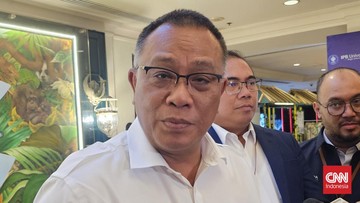

Zulhas Targets Jakarta Free of Waste in Two Years
Translated from Indonesian, summarized and contextualized by DistantNews.
TLDR
- Indonesia's Coordinating Minister for Food, Zulkifli Hasan, targets Jakarta to be free of waste within two years through an Energy-from-Waste (PSEL) project.
- The project aims to process Jakarta's daily waste of approximately 8,000 tons, which currently overwhelms existing facilities like the Bantar Gebang landfill.
- Investment for the PSEL project is estimated at US$1 million, with operations targeted to begin in 2028, potentially processing both old and new waste.
Tempo, a respected Indonesian news publication, reports on a significant initiative aimed at tackling Jakarta's persistent waste management crisis. Minister Zulkifli Hasan's ambitious two-year target for a waste-free capital, powered by the PSEL project, signals a strong commitment from the government to address an issue that has long plagued the metropolis.
The article highlights the sheer scale of Jakarta's waste problem, with an estimated 8,000 tons generated daily. The reliance on 'open dumping,' exemplified by the overflowing Bantar Gebang facility, underscores the urgency of finding sustainable solutions. The PSEL project, which converts waste into electricity, represents a forward-thinking approach, aligning with global trends in waste management and renewable energy.
Mereka tidak akan terus menumpuk, berbau, dan membanjiri jalan mereka lagi. Insya Allah dua tahun lagi.
Tempo notes the investment of US$1 million and the projected operational start in 2028, providing concrete details about the project's financial and temporal aspects. The mention of processing both old and new waste suggests a comprehensive strategy. This initiative is not just about environmental cleanup; it's about improving public health, urban aesthetics, and potentially generating a new source of energy for the capital. The government's proactive stance, as reported by Tempo, offers a glimmer of hope for a cleaner, more sustainable Jakarta.
Tapi outcome-nya memang mungkin efisiensinya lebih rendah. Tapi semua sampah lama dan baru itu bisa diambil, bisa langsung diolah, tidak perlu dipisahkan lagi.
DistantNews Editorial
Originally published by Tempo in Indonesian. Translated, summarized, and contextualized by our editorial team with added local perspective. Read our editorial standards.
More Stories


From Our Blog

What Gets Lost (and Found) When News Is Translated

The Critical Role of Diaspora Media in Global News

What Travellers Should Know About Countries with Restricted Press

A Digital Nomad's Guide to Following Local News

How the Same Story Looks Different in Different Countries
