


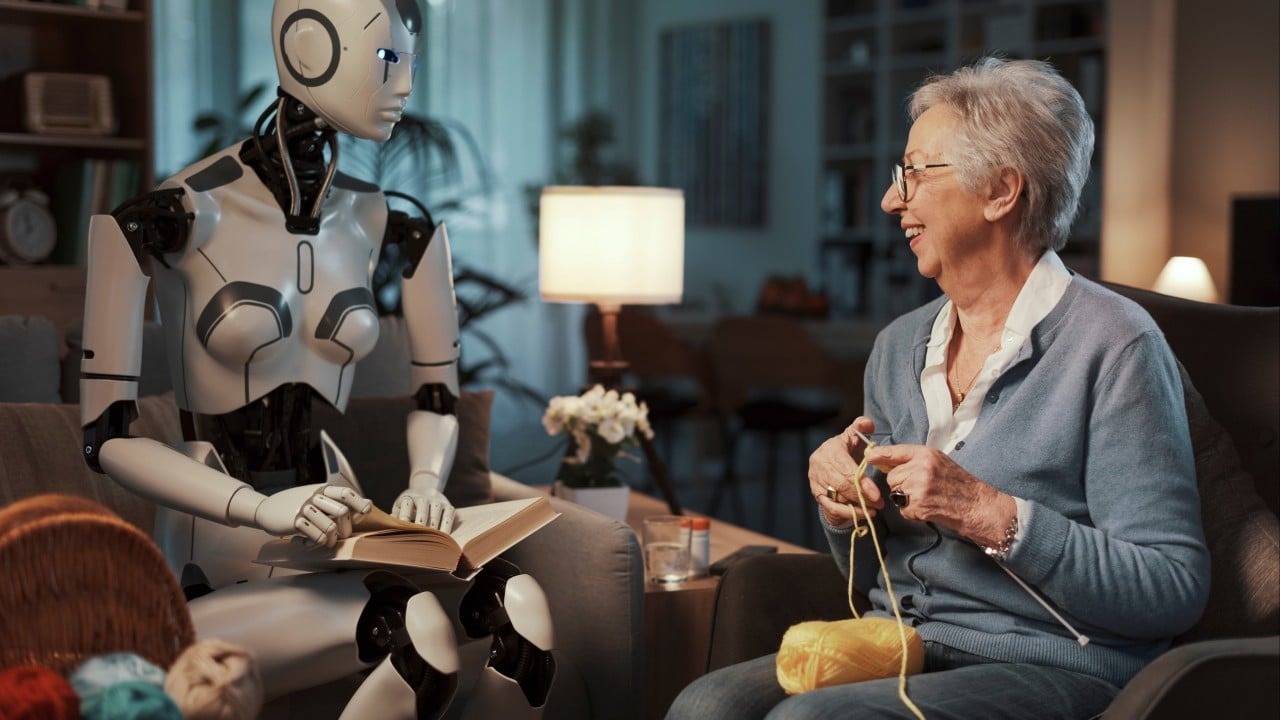
Aging dilemma: US-China cooperation could be key, says top anthropologist
Translated from English, summarized and contextualized by DistantNews.
TLDR
- A US medical anthropologist urges the US and China to cooperate on social technology to address the global aging crisis.
- Arthur Kleinman suggests the US learn from China's long-term care insurance system and China from the US nursing home model.
- By 2050, nearly 30% of China's population and about 40% of Japan's will be over 65, with the US exceeding 20%.
As a leading voice in medical anthropology, Arthur Kleinman, with his extensive experience and profound insights into both Chinese and American societies, offers a stark warning and a hopeful path forward regarding the escalating global challenge of aging populations. His call for transcending geopolitical rivalries to foster cooperation between the United States and China on "social technology" is not merely a suggestion but an urgent plea rooted in demographic realities.
Kleinman, who is himself 85 and nearing retirement, brings a unique perspective shaped by a lifetime of study, including his work on schizophrenia and suicide in Chinese families and his deeply personal memoir, "The Soul of Care," about his wife's battle with Alzheimer's. He recognizes that the sheer scale of aging – with China and Japan facing particularly dramatic demographic shifts by 2050 – demands innovative solutions that go beyond traditional medical or technological fixes.
We have never had societies with such a large number of people living into the old age period.
The proposed exchange of knowledge, where the US could learn from China's developing long-term care insurance system and China could benefit from the US nursing home model, highlights a pragmatic approach. It acknowledges that neither nation has all the answers and that mutual learning is essential. This collaboration, Kleinman argues, is crucial not just for the two countries but for spurring a global revolution in how societies care for their elderly.
From a Chinese perspective, this emphasis on cooperation, particularly with the US, might be viewed with a mix of strategic interest and caution. While acknowledging the shared demographic challenge, the idea of learning from the US nursing home model could be seen as an opportunity to refine its own rapidly developing elder care infrastructure. However, the underlying message from Kleinman is that the aging crisis is a human crisis that requires a united, global response, setting aside the political differences that often dominate international discourse.
by 2050, nearly 30 per cent of the Chinese population and about 40 per cent of the Japanese population will be over 65 years old. For the US, it will be more than 20 per cent.
DistantNews Editorial
Originally published by South China Morning Post in English. Translated, summarized, and contextualized by our editorial team with added local perspective. Read our editorial standards.
More Stories


From Our Blog

Countries Without a Free Press: What You Need to Know

What Press Freedom Means for the News You Read

What Gets Lost (and Found) When News Is Translated

The Critical Role of Diaspora Media in Global News

What Travellers Should Know About Countries with Restricted Press
