


Beyond subsidies: what’s really driving China’s industrial climb
Summarized and contextualized by DistantNews.
TLDR
- China's industrial ascent is driven by long-standing national strategies, shifting from low-tech goods to advanced sectors like electric vehicles, batteries, and solar panels (the "new three").
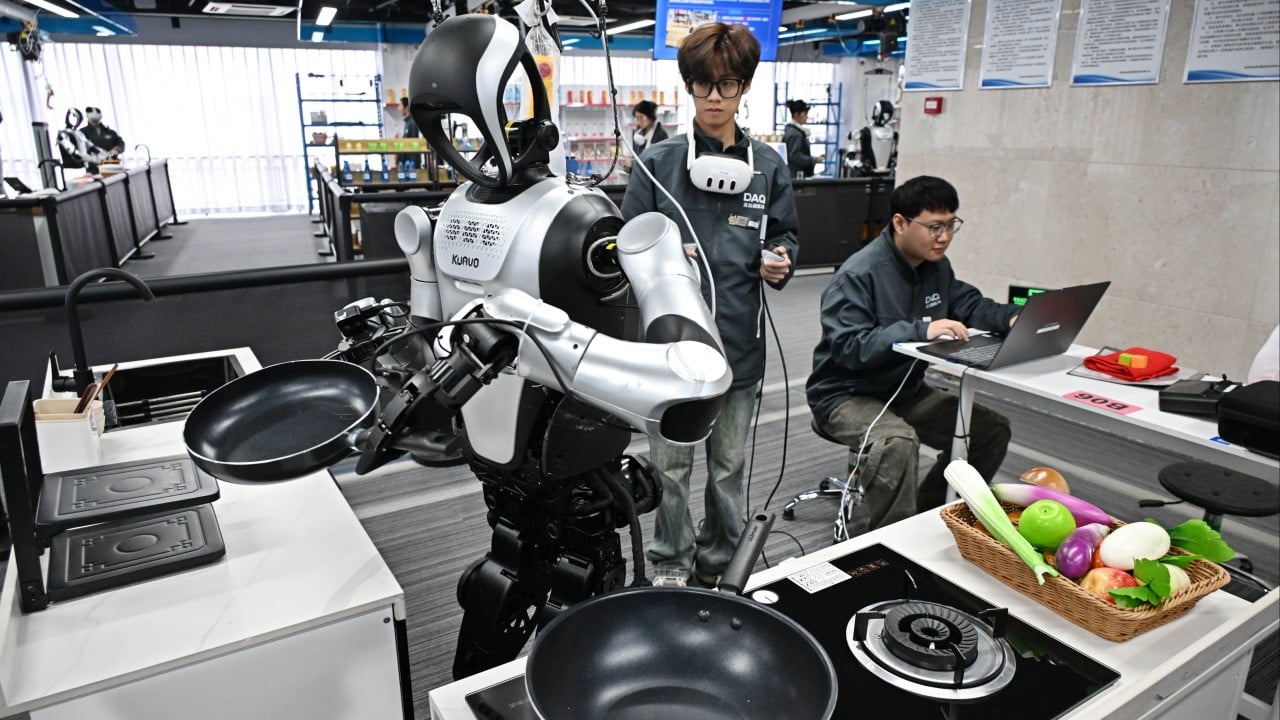
- Beijing is already promoting artificial intelligence, industrial robots, and innovative medicines as the "newer three," signaling rapid industrial upgrading and a focus on future growth sectors.
- While industrial subsidies play a role, particularly in AI, the article argues that China's industrial climb is primarily a result of strategic national planning and a swift transition between industrial phases.
The global conversation around China's industrial prowess often defaults to a simplistic explanation: subsidies. While state funding certainly plays a part, particularly in cutting-edge fields like artificial intelligence where China has invested heavily, this perspective overlooks the sophisticated, long-term national strategies that truly underpin its manufacturing ascent. What the world is now calling "China shock 2.0" is not an accident, but a deliberate and accelerated industrial upgrading, a testament to Beijing's strategic foresight.
Driven by intensifying competition in advanced manufacturing, the world is waking up to “China shock 2.0”. The first “shock”, associated with China’s accession to the World Trade Organization in 2001, focused on low-tech manufacturing.
We've witnessed this evolution firsthand. The first "China shock," following its WTO accession, was characterized by low-tech manufacturing. Now, China is rapidly transitioning from the "old three"—textiles, furniture, and home appliances—to the "new three": electric vehicles, batteries, and solar panels. This shift is presented domestically not as a shock, but as a natural progression of export strength. Crucially, Beijing isn't resting on its laurels. As early as late 2025, official messaging began highlighting artificial intelligence, industrial robots, and innovative medicines as the "newer three," indicating an even faster cycle of industrial development and a proactive push into future-defining sectors.
What many abroad call “China shock 2.0” is a marker of industrial upgrading and a reflection of long-standing national strategies.
This rapid trajectory is striking. It took roughly two decades to move from the "old three" to the "new three." Yet, mere years after the "new three" gained prominence, Beijing is already signalling the next wave. This isn't just about catching up; it's about setting the pace. While international observers may focus on subsidies, from our perspective, this story is about strategic industrial policy, adaptability, and a national vision that anticipates and shapes global market trends. The speed at which China moves from one industrial phase to the next is a key differentiator, demonstrating a unique capacity for planning and execution that warrants closer examination beyond simplistic narratives.
This is not just domestic cheerleading. These sectors are also drawing growing attention internationally.
DistantNews Editorial
Originally published by South China Morning Post. Summarized and contextualized by our editorial team with added local perspective. Read our editorial standards.
More Stories

From Our Blog

Countries Without a Free Press: What You Need to Know

What Press Freedom Means for the News You Read

What Gets Lost (and Found) When News Is Translated

The Critical Role of Diaspora Media in Global News

What Travellers Should Know About Countries with Restricted Press
