

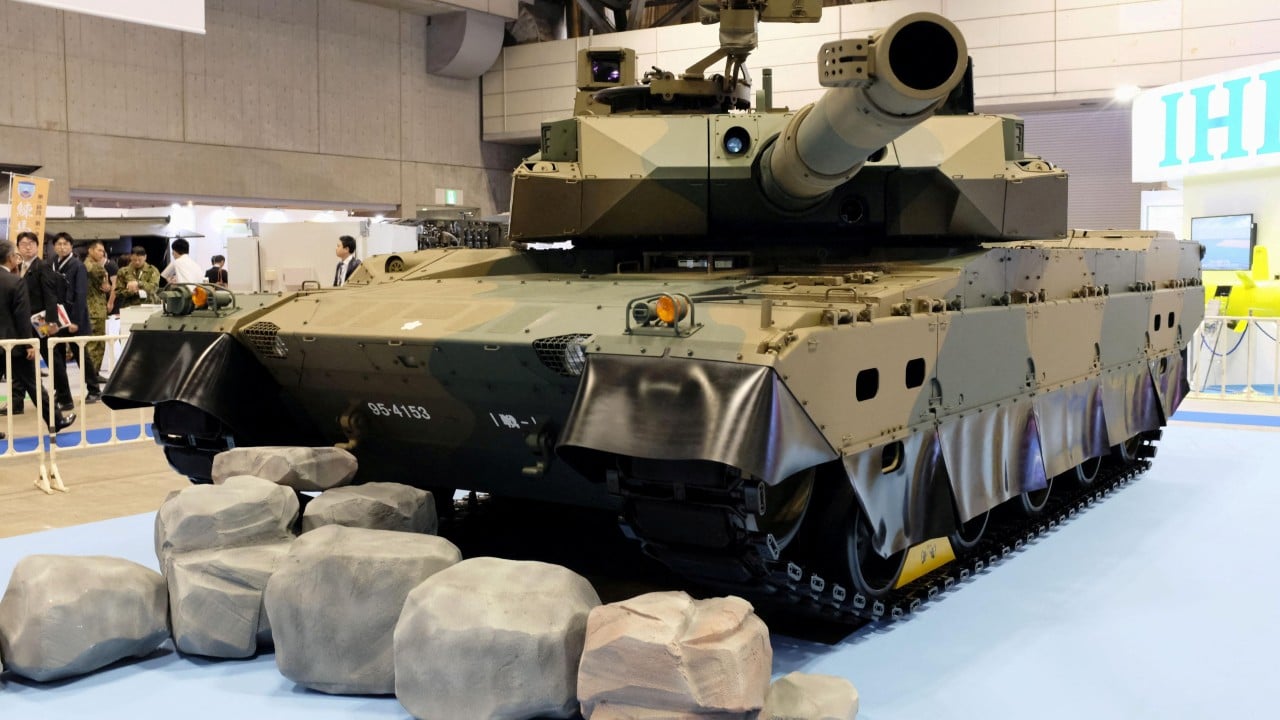
China, Russia Back Cuba; Brazil Blacklists BYD Over Slave Labor; Chile Uncovers $917M Copper Smuggling Ring
Translated from English, summarized and contextualized by DistantNews.
TLDR
- China and Russia are backing Cuba's government amidst increasing US pressure.
- Brazil has added Chinese electric vehicle giant BYD to a registry for alleged slave labor conditions.
- Chilean authorities dismantled a smuggling ring that shipped US$917 million in stolen copper to China.
This past week has seen significant developments in Latin America's complex relationship with global powers, particularly China and Russia, alongside critical internal issues within the region. South China Morning Post, in its coverage of Latin American relations, highlights key stories that underscore shifting geopolitical dynamics and ongoing challenges.
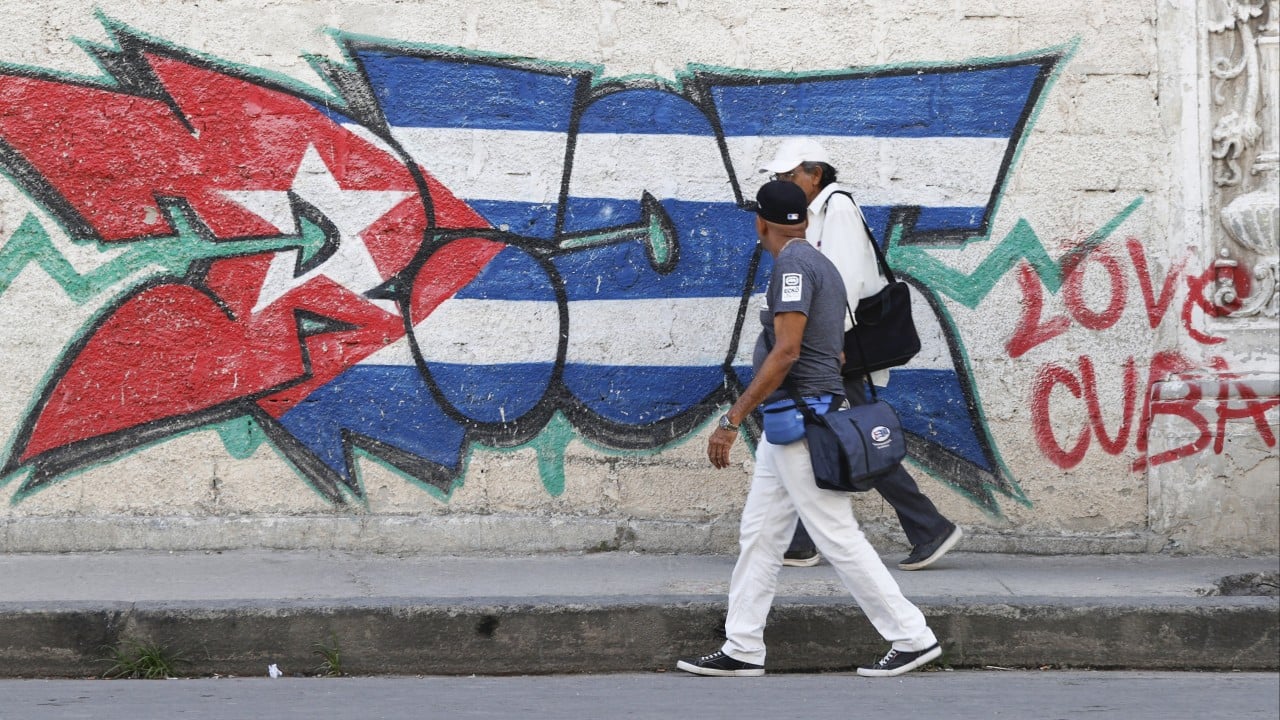
Beijing and Moscow have publicly aligned themselves with Cuba's government, offering support as Havana faces intensified pressure from the United States. This diplomatic backing, signaled during a visit by Russia's deputy foreign minister and through Beijing's willingness to increase its support, demonstrates a continued effort by China and Russia to counter US influence in the Western Hemisphere. For Cuba, this external support is crucial amid its ongoing economic and political struggles.
Meanwhile, Brazil has taken a strong stance against Chinese electric vehicle manufacturer BYD, blacklisting the company due to alleged slave labor conditions. This move by Brazil's labor ministry not only limits BYD's access to state financing but also poses significant reputational risks in one of its key markets outside China. This action reflects Brazil's commitment to upholding labor standards and its willingness to hold international corporations accountable.
Furthermore, Chilean authorities have successfully dismantled a sophisticated smuggling operation responsible for shipping an estimated US$917 million worth of stolen copper to China over five years. This discovery represents one of the largest organized crime operations ever uncovered in Chile and highlights the global reach of illicit trade networks, particularly in valuable commodities. The investigation's success points to the ongoing efforts by Chilean law enforcement to combat large-scale criminal enterprises and protect the nation's resources.
From a regional perspective, these stories reveal a multifaceted landscape. While some nations seek closer ties with China and Russia to counterbalance US influence, others, like Brazil, are asserting their own regulatory authority, even against major Chinese corporations. The copper smuggling case underscores the persistent challenges of resource management and combating transnational crime. South China Morning Post's selection of these stories provides a snapshot of the intricate interplay between international relations, economic interests, and domestic policy in Latin America, offering a view that often differs from Western media's focus, emphasizing regional agency and the specific challenges faced by these nations.
DistantNews Editorial
Originally published by South China Morning Post in English. Translated, summarized, and contextualized by our editorial team with added local perspective. Read our editorial standards.
More Stories
From Our Blog

Countries Without a Free Press: What You Need to Know

What Press Freedom Means for the News You Read

What Gets Lost (and Found) When News Is Translated

The Critical Role of Diaspora Media in Global News

What Travellers Should Know About Countries with Restricted Press
