

China's Calls to Open Hormuz Show Limits of Ties to Iran, Experts Say
Translated from English, summarized and contextualized by DistantNews.
TLDR
- China has publicly urged Iran to cease blockading the Strait of Hormuz, marking a rare instance of direct public distancing from Tehran's actions.
- President Xi Jinping called for an "immediate and comprehensive ceasefire" and for the waterway to "remain open to normal passage" without naming Iran or the US.
- Experts suggest these statements reflect Beijing's delicate balance between its ties with Iran and its significant economic interests in the region, testing its relationship with Tehran.
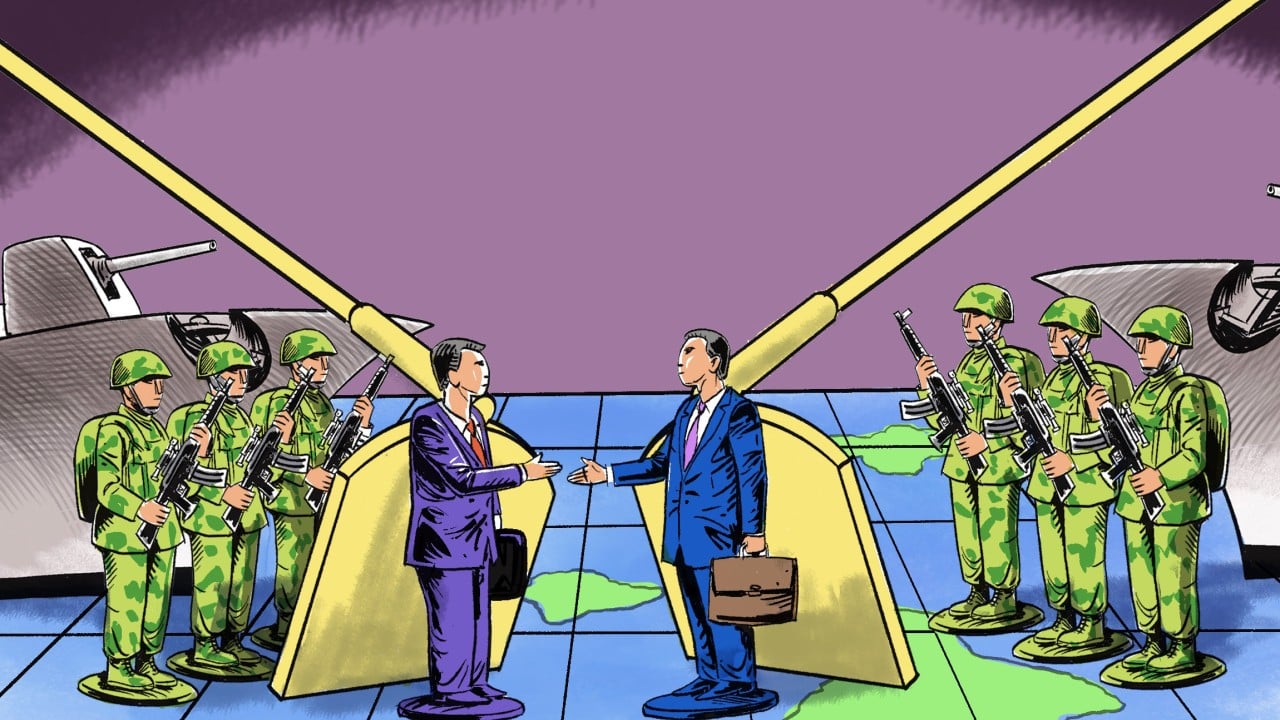
China's diplomatic maneuvering regarding the Strait of Hormuz blockade reveals the complex tightrope it walks between its strategic partnership with Iran and its broader economic interests in the Middle East. While Beijing has historically maintained a cautious approach, its recent public statements demanding the "immediate and comprehensive ceasefire" and the "open passage" of the vital waterway signal a growing concern over Iran's actions and their potential impact on regional stability and global trade.
immediate and comprehensive ceasefire
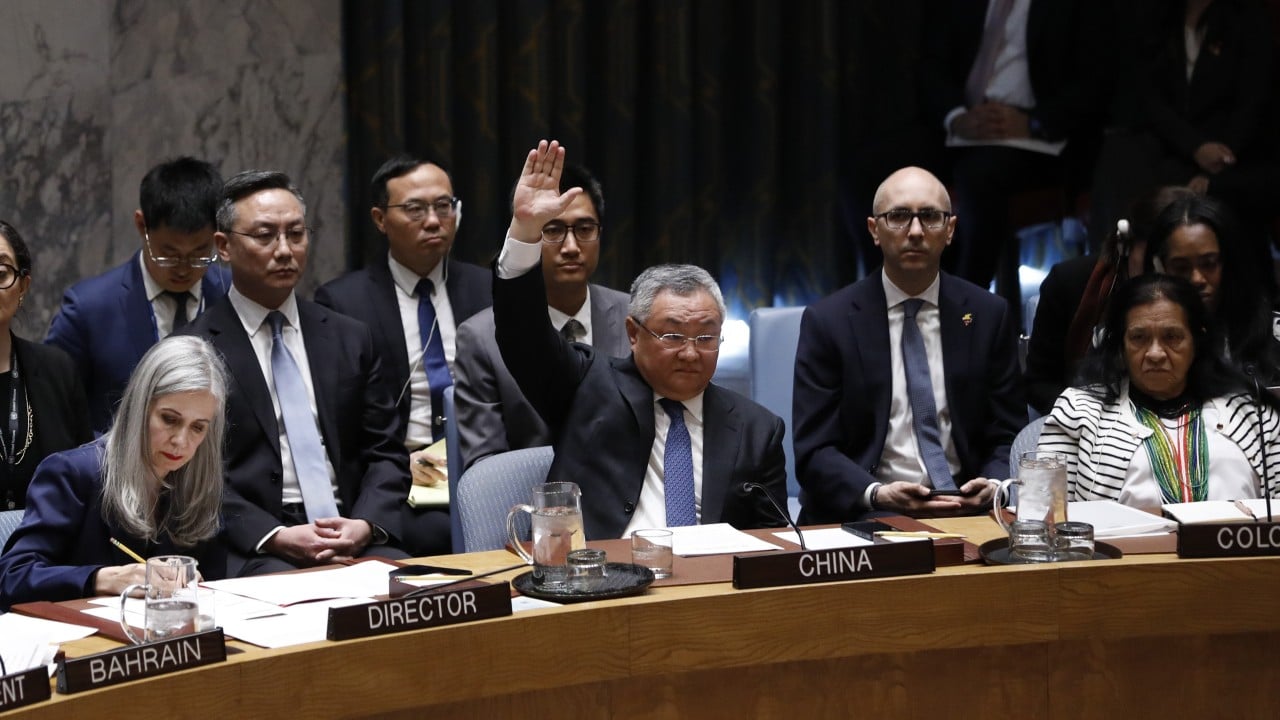
President Xi Jinping's remarks to Saudi Arabia's Crown Prince Mohammed bin Salman, though carefully worded to avoid direct naming of Iran or the US, clearly conveyed China's desire for an end to the blockade. This was further amplified by Chinese ambassador Fu Cong at the United Nations, who explicitly stated that "China does not go along with Iran’s attacks on Gulf states and the blockade of the Strait of Hormuz." This direct public distancing from Iran's retaliatory actions is a significant development, underscoring Beijing's increasing discomfort with Tehran's disruptive behavior.
remain open to normal passage
Observers, including Middle East experts like Zhu Yongbiao of Lanzhou University, interpret these statements as evidence of Beijing's growing unease with Iran's conduct. While China's position is described as "consistent and coherent," Fu's remarks highlight a tangible shift in public diplomacy. This delicate balancing act is driven by China's substantial economic and energy dependencies on the region. The South China Morning Post notes that these actions test the limits of China's relationship with Iran, demonstrating that even close ties are subject to Beijing's overriding national economic and strategic interests. The unique perspective from Beijing is that stability in the Strait of Hormuz is paramount for its energy security and trade routes, even if it means publicly diverging from a key regional partner.
China does not go along with Iran’s attacks on Gulf states and the blockade of the Strait of Hormuz.
DistantNews Editorial
Originally published by South China Morning Post in English. Translated, summarized, and contextualized by our editorial team with added local perspective. Read our editorial standards.
More Stories
From Our Blog

Countries Without a Free Press: What You Need to Know

What Press Freedom Means for the News You Read

What Gets Lost (and Found) When News Is Translated

The Critical Role of Diaspora Media in Global News

What Travellers Should Know About Countries with Restricted Press
