

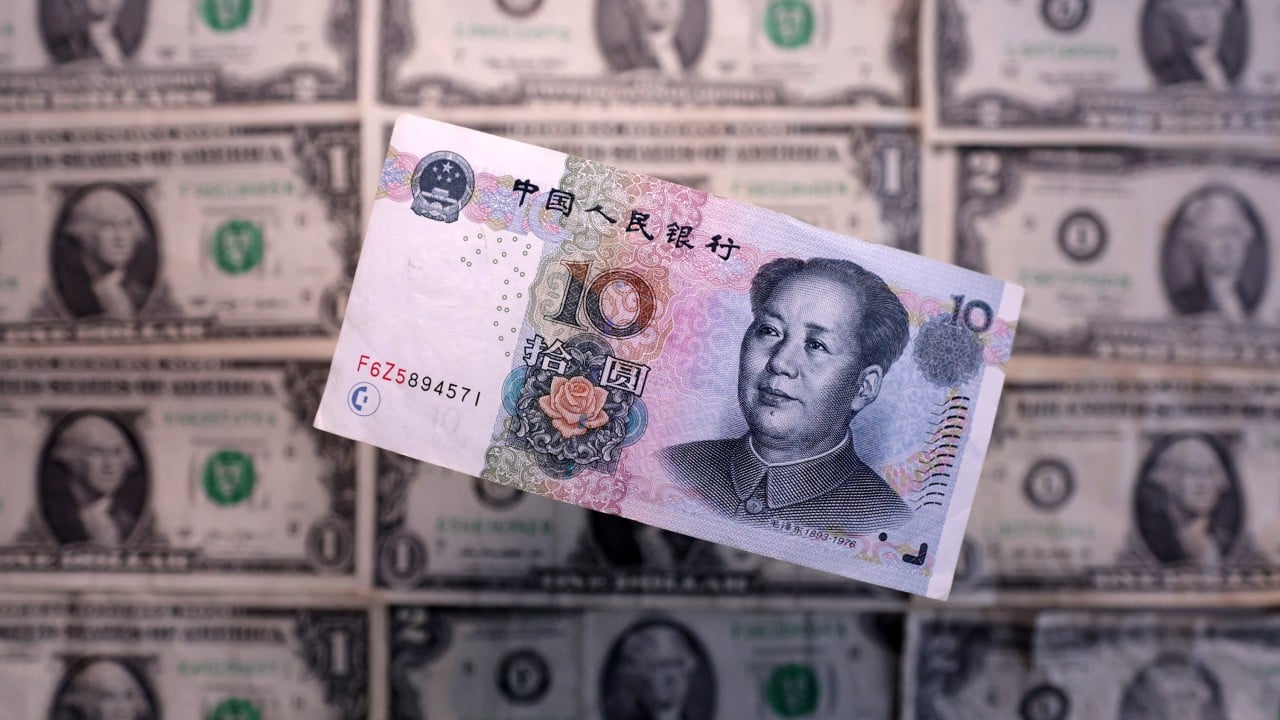

China targets 'zombie companies' with regulatory crackdown
Translated from English, summarized and contextualized by DistantNews.
TLDR
- China's top market regulator is piloting a program in seven economic hubs to facilitate the forced exit of unprofitable
China's economic regulators are taking decisive action to address the persistent issue of "zombie companies" – unprofitable enterprises often kept afloat by government subsidies or bank loans. A new pilot program, launched in seven key economic hubs, signals a significant step in Beijing's broader campaign against local protectionism and the detrimental effects of "involution" (neijuan), which stifles low-quality, vicious competition.
The State Administration for Market Regulation, empowered by recent changes to China's Company Law, can now petition courts for the compulsory liquidation of these "walking-dead" entities if they fail to voluntarily wind down their operations. This initiative targets firms in Beijing, Hebei, Jiangsu, Zhejiang, Henan, Sichuan, and Guangdong.
While experts like Alicia Garcia-Herrero of Natixis view the program as a positive development for clearing smaller, dormant private firms and improving market exit mechanisms, she cautions that its short-term impact on the larger problem of zombie companies may be limited. Many larger or state-linked entities continue to receive support from local governments and banks, presenting a more complex challenge for regulators. This move, however, demonstrates Beijing's commitment to fostering a healthier, more competitive market environment by weeding out inefficient and subsidized businesses.
I expect it to be moderately effective for clearing smaller, dormant private firms in the pilot areas and improving market-exit mechanisms. However, its broader impact on China’s zombie-company problem is likely to be limited in the short term, as many larger or state-linked zombies continue to be supported by local governments and banks.
DistantNews Editorial
Originally published by South China Morning Post in English. Translated, summarized, and contextualized by our editorial team with added local perspective. Read our editorial standards.
More Stories

From Our Blog

Countries Without a Free Press: What You Need to Know

What Press Freedom Means for the News You Read

What Gets Lost (and Found) When News Is Translated

The Critical Role of Diaspora Media in Global News

What Travellers Should Know About Countries with Restricted Press
