



Eating Boosts Immune Cell Activity, Study Finds
Translated from Korean, summarized and contextualized by DistantNews.
TLDR
- A study published in Nature found that T-cells, a type of immune cell, become more active after eating, potentially enhancing the body's response to infection.
- Researchers observed that T-cells utilized nutrients more efficiently and had increased metabolic activity following food intake, a phenomenon also noted in mice experiments.
- This finding suggests that eating, regardless of the specific food, plays a significant role in boosting immune function and could have implications for cancer immunotherapy.
In South Korea, the age-old adage 'feed a cold, starve a fever' may hold more scientific weight than previously thought. A recent study, published in the prestigious journal Nature, offers compelling evidence that our immune system, specifically T-cells, performs better when fueled by food.
There may be some scientific basis for the old saying 'feed a cold, starve a fever.'
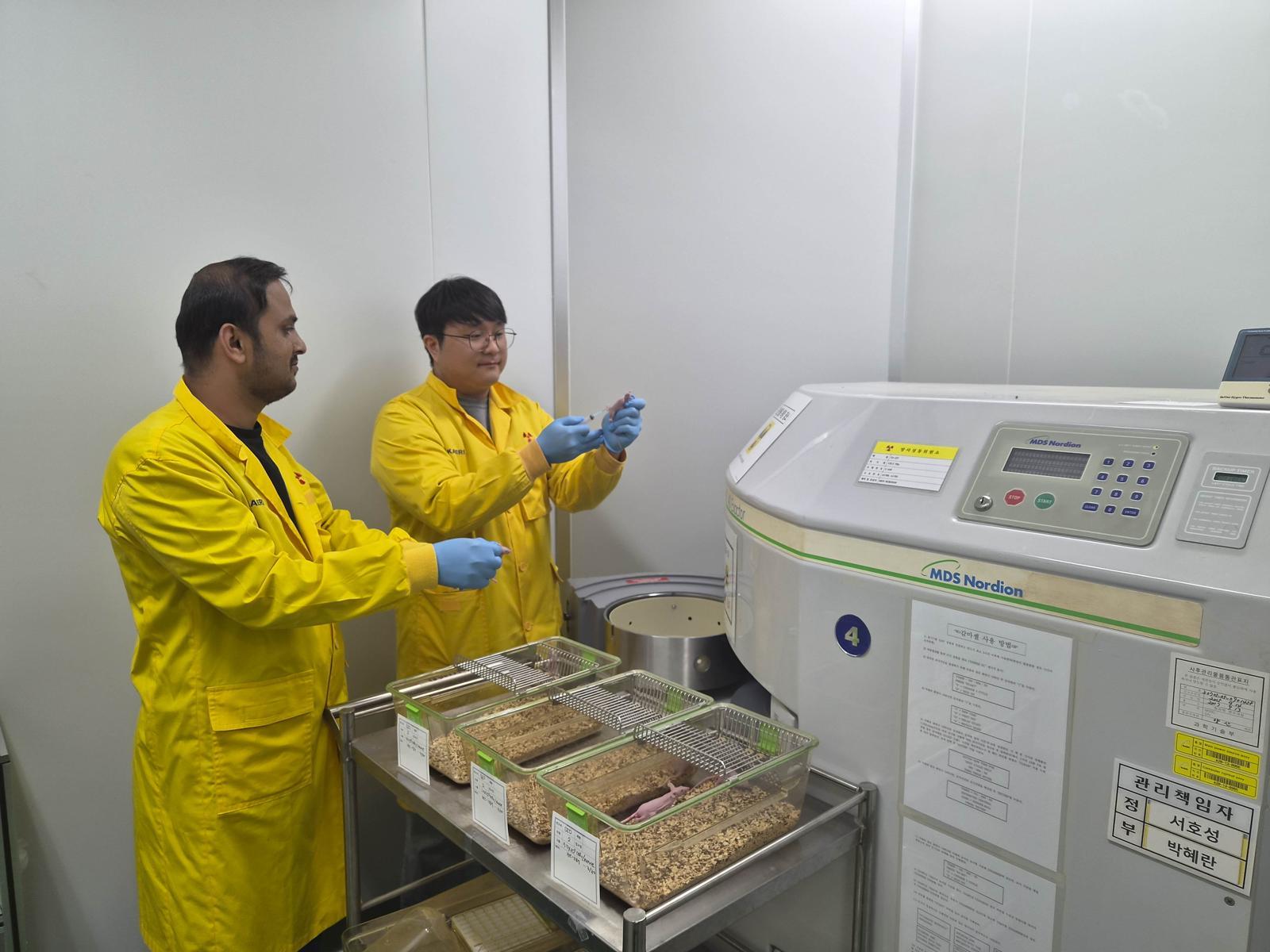
This research, conducted by scientists at the University of Pittsburgh School of Medicine, reveals that T-cells, the crucial 'conductors' of our immune response, show increased activity and enhanced nutrient utilization after a meal. This means that when we're sick, the simple act of eating could significantly bolster our body's ability to fight off infections. The study observed that T-cells were better at absorbing glucose and utilizing fats post-meal, leading to more efficient immune responses, a finding mirrored in experiments with mice.
The immune system's activation process is a very energy-intensive task.
What's particularly fascinating is the speed at which these changes occur. Researchers noted significant differences in T-cell function within just six hours of eating. Furthermore, the study highlighted that 'memory T-cells,' which are vital for long-term immunity, maintained heightened metabolic activity for weeks to months after a meal. This suggests that consistent eating habits could contribute to more robust and lasting immune defense.
What is particularly surprising is the timing.
While the study didn't pinpoint specific nutrients responsible for this effect, the researchers emphasized that the act of eating itself is crucial. This discovery holds potential implications for various medical fields, including cancer immunotherapy, where CAR-T cell treatments could potentially be enhanced by ensuring patients have eaten prior to treatment. As we continue to explore the intricate relationship between diet and immunity, this research provides a valuable insight into why eating well is fundamental to staying healthy.
The changes in T-cell immune function were significant even in just a short period of six hours.
DistantNews Editorial
Originally published by Dong-A Ilbo in Korean. Translated, summarized, and contextualized by our editorial team with added local perspective. Read our editorial standards.
More Stories

From Our Blog

What Gets Lost (and Found) When News Is Translated

The Critical Role of Diaspora Media in Global News

What Travellers Should Know About Countries with Restricted Press

A Digital Nomad's Guide to Following Local News

How the Same Story Looks Different in Different Countries
