


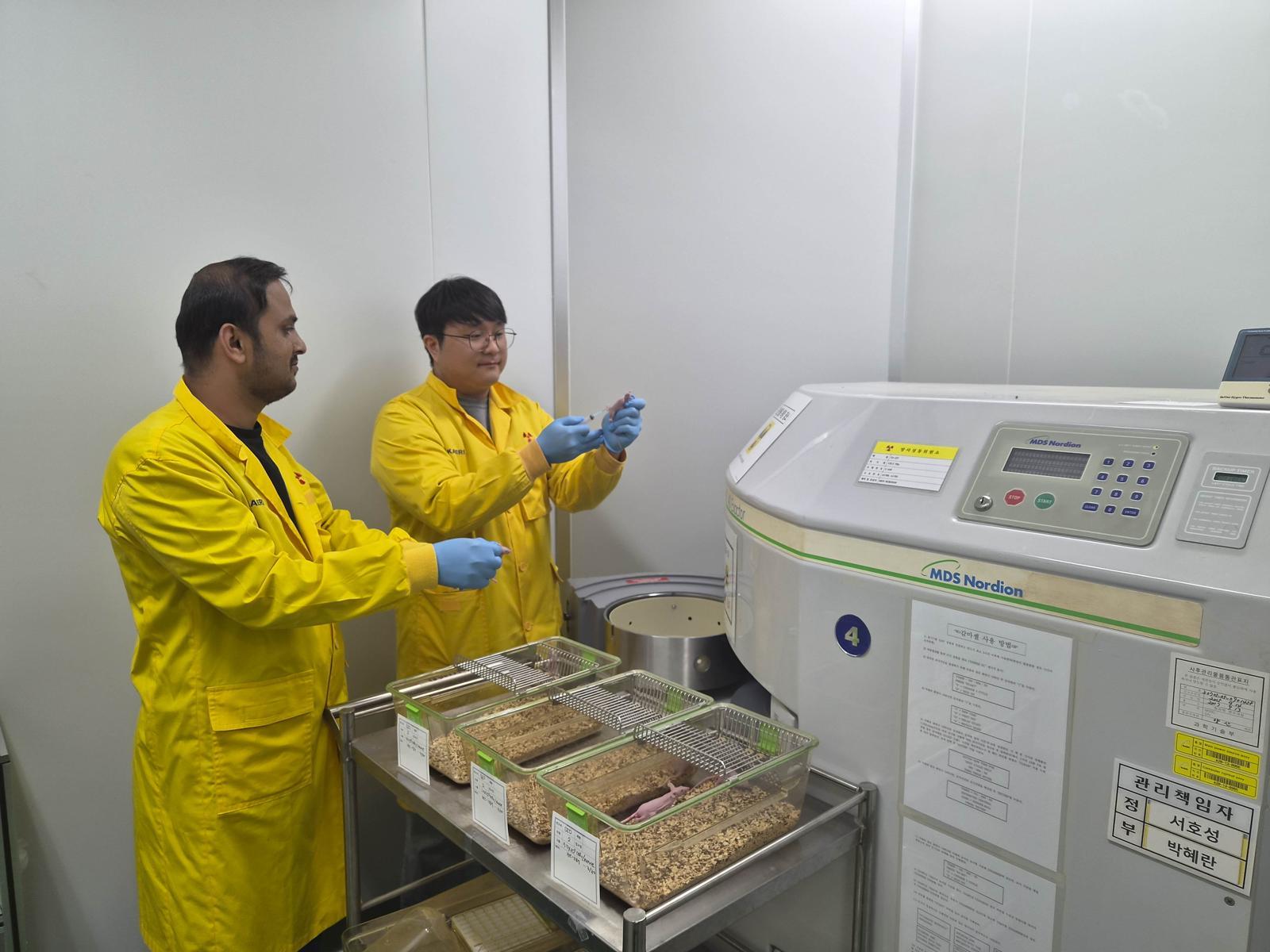
Rediscovery of Discarded Tangerine Peels... Proven Effect in Recovering Radiation Damage
Translated from Korean, summarized and contextualized by DistantNews.
TLDR
- A compound found in tangerine peels, hesperidin, has demonstrated significant effectiveness in restoring damaged liver, kidney, and heart tissues caused by radiation exposure.
- Korean researchers observed that administering hesperidin to test subjects with radiation-induced liver damage led to over 90% recovery of liver enzyme function within seven days.
- The research, which has secured patents in Korea and the US, has been licensed to a health food company for the development of radiation treatment adjuncts and functional foods, with a novel extraction technique using radiation to purify the compound.
In a remarkable breakthrough, researchers at the Korea Atomic Energy Research Institute (KAERI) have uncovered a potent therapeutic effect in an unlikely source: tangerine peels. The compound, hesperidin, has shown a remarkable ability to heal tissues damaged by radiation, offering a glimmer of hope in managing the side effects of radiation therapy and exposure. This discovery, reported by Dong-A Ilbo, is particularly significant for Korea, a nation at the forefront of technological and scientific innovation.
In the results, liver enzyme function, which had decreased, was recovered by more than 90%.
The study focused on hesperidin's impact on radiation-induced damage to the liver, kidneys, and heart. In experiments with laboratory rats, a seven-day administration of hesperidin resulted in the recovery of over 90% of liver enzyme function that had been impaired by radiation. Even pre-administration of hesperidin showed a protective and restorative effect, suggesting its potential as both a preventative measure and a treatment aid. This finding is crucial, as managing the collateral damage from radiation is a persistent challenge in medical treatments and industrial applications.
The research team developed a new extraction method using radiation to decompose pesticide residues and increase the hesperidin content.
What makes this discovery even more compelling is the innovative extraction method developed by the KAERI team. They utilized radiation itself to break down pesticide residues commonly found on tangerine peels, simultaneously increasing the concentration of hesperidin. This sophisticated approach not only ensures a high-purity extract but also aligns with Korea's strength in leveraging advanced radiation technology for diverse applications, including health and medicine.
The institute's technology will become an example of a small and medium-sized enterprise's product competitiveness.
The successful transfer of this technology to a health food company, Arinus Co., Ltd., marks a significant step towards commercialization. The company plans to develop radiation treatment adjuncts and functional foods based on this research. From a Korean perspective, this story is a source of national pride, showcasing how domestic research institutions can translate cutting-edge science into tangible health benefits and commercial opportunities, further solidifying Korea's position as a leader in biotechnology and radiation application.
We will continue to strive to develop radiation bio-technology that can contribute to improving public health.
DistantNews Editorial
Originally published by Dong-A Ilbo in Korean. Translated, summarized, and contextualized by our editorial team with added local perspective. Read our editorial standards.
More Stories


From Our Blog

What Gets Lost (and Found) When News Is Translated

The Critical Role of Diaspora Media in Global News

What Travellers Should Know About Countries with Restricted Press

A Digital Nomad's Guide to Following Local News

How the Same Story Looks Different in Different Countries
