

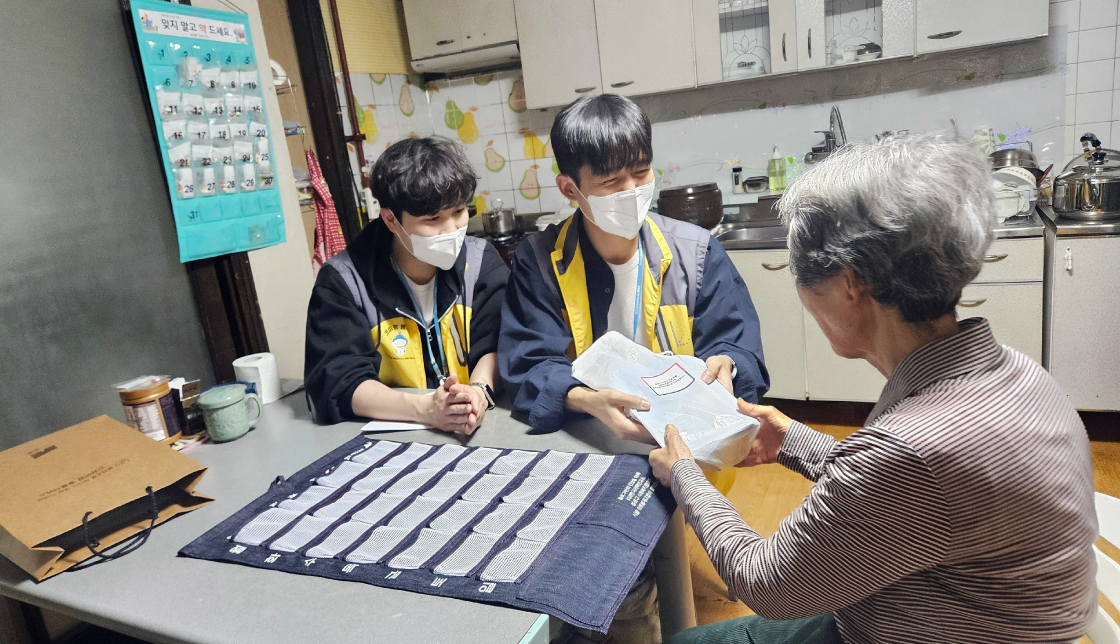

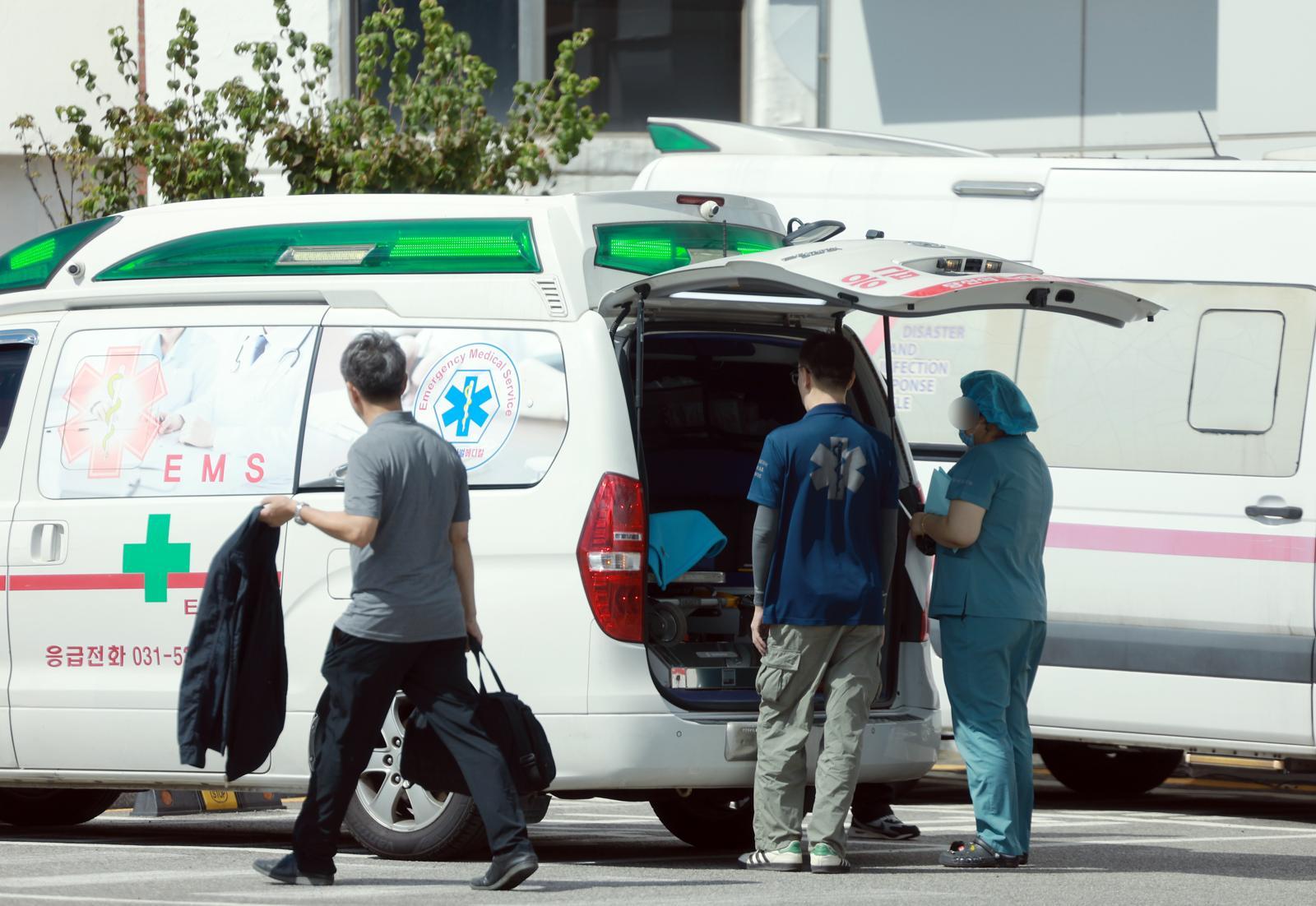
Medical Innovation Committee Tackles Regional Healthcare with 300 Citizen Panelists
Translated from Korean, summarized and contextualized by DistantNews.
TLDR
- The Medical Innovation Committee has selected 'regional and essential healthcare' as its first public deliberation topic, involving 300 citizen panelists.
- The committee aims to gather public opinions and formulate recommendations on improving healthcare access in regional areas.
- Citizen panelists will be recruited next month, with a deliberation process expected to last one to two months.
The Medical Innovation Committee's decision to prioritize 'regional and essential healthcare' for its inaugural public deliberation signifies a crucial step in addressing deep-seated disparities within South Korea's medical system. By engaging 300 citizen panelists, the committee, a consultative body under the Prime Minister's Office, is demonstrating a commitment to a more inclusive and participatory approach to healthcare reform, a key agenda item for the current administration.
The focus on regional and essential healthcare is particularly resonant in South Korea, where rapid urbanization and economic development have often led to a concentration of advanced medical facilities and specialists in major metropolitan areas, leaving rural and less populated regions underserved. This geographical imbalance not only creates access barriers for a significant portion of the population but also exacerbates the 'essential healthcare' crisis, as fewer medical professionals are willing to practice in these areas.
The committee's strategy of involving citizens directly in the decision-making process is a departure from traditional top-down policy formulation. By establishing a "public communication square for medical innovation," the government is actively seeking diverse perspectives and lived experiences. This approach is expected to yield practical and relevant policy recommendations that reflect the actual needs and concerns of the public, moving beyond abstract policy goals to tangible improvements in healthcare delivery.
From a South Korean perspective, the success of this initiative hinges on its ability to bridge the gap between urban and rural healthcare standards and to ensure that essential medical services are accessible to all citizens, regardless of their location. The involvement of citizen panelists is a promising sign, but the real test will be in the implementation of the recommendations and the sustained political will to address the systemic issues that have contributed to these healthcare disparities. This citizen-led deliberation process offers a unique opportunity to reshape the national healthcare landscape with a focus on equity and accessibility.
This citizen panel deliberation process is expected to identify the impact of regional medical services on the living environment in the context of regional decline and to present problems and necessary policies that citizens directly feel.
DistantNews Editorial
Originally published by Hankyoreh in Korean. Translated, summarized, and contextualized by our editorial team with added local perspective. Read our editorial standards.
More Stories


From Our Blog

What Gets Lost (and Found) When News Is Translated

The Critical Role of Diaspora Media in Global News

What Travellers Should Know About Countries with Restricted Press

A Digital Nomad's Guide to Following Local News

How the Same Story Looks Different in Different Countries
