

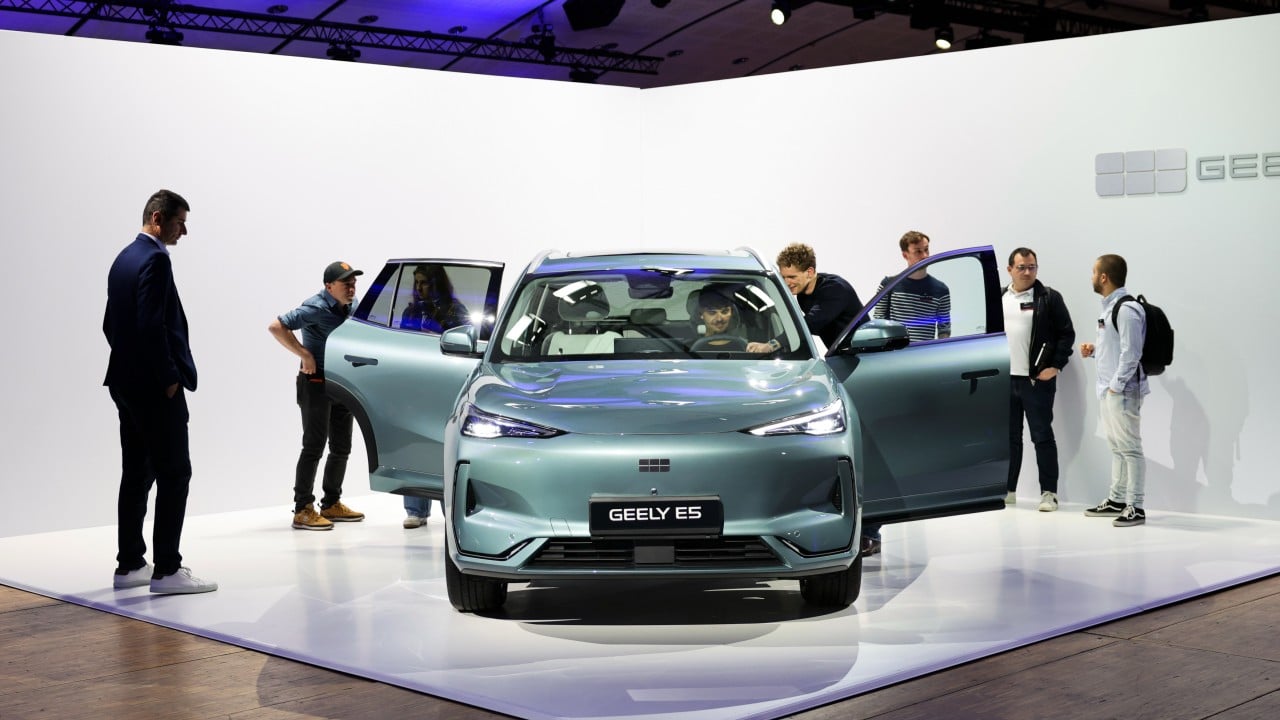
Geely joins Chery, BYD in profit slide as reduced incentives decimate China car sales
Summarized and contextualized by DistantNews.
TLDR
- Chinese automakers Geely, Chery, and BYD have reported significant declines in net profit for the first quarter of 2026, signaling a challenging domestic market.
- The profit slump is attributed to the phasing out of government purchase incentives, particularly the vehicle sales tax reduction for electric vehicles.
- Despite a revenue increase driven by exports and high-end models, Geely's overall sales volume saw only a marginal 1% rise, highlighting domestic market struggles.
The sharp profit declines reported by leading Chinese automakers like Geely, Chery, and BYD paint a stark picture of the current pressures facing the domestic automotive industry. While these companies have achieved remarkable growth and profitability in recent years, the withdrawal of crucial government purchase incentives, especially the reduction in vehicle sales tax for electric vehicles, has significantly impacted sales volumes and squeezed margins.
Geely's experience is particularly telling. Despite a record high for first-quarter revenue, bolstered by strong export performance and sales of premium models, the company's net profit plummeted by 27%. This highlights a critical dependence on domestic demand, which has yet to recover following the phasing out of tax breaks. The shift from a 10% sales tax exemption for EVs to a 5% levy, with a full return to 10% expected by 2028, presents a substantial hurdle for consumers and manufacturers alike.
From a Chinese perspective, this situation underscores the delicate balance between fostering a burgeoning domestic EV market through subsidies and ensuring its long-term sustainability. While the government's support has been instrumental in making China a global leader in EV production and sales, the current adjustment period is testing the resilience of the industry. The focus now shifts to innovation, efficiency, and the development of compelling products that can attract buyers even without significant financial incentives.
Unlike Western media, which might focus solely on the financial performance of individual companies, our analysis in China emphasizes the broader implications for industrial policy and the national ambition to dominate the global automotive landscape. The current slowdown is not necessarily a sign of failure, but rather a necessary recalibration. The industry's ability to adapt, innovate, and continue its export drive will be key to navigating this challenging phase and ultimately achieving long-term success.
Sales volume in the domestic market has not yet recovered after the phasing out of the purchase tax incentives.
DistantNews Editorial
Originally published by South China Morning Post. Summarized and contextualized by our editorial team with added local perspective. Read our editorial standards.
More Stories
From Our Blog

Countries Without a Free Press: What You Need to Know

What Press Freedom Means for the News You Read

What Gets Lost (and Found) When News Is Translated

The Critical Role of Diaspora Media in Global News

What Travellers Should Know About Countries with Restricted Press
