

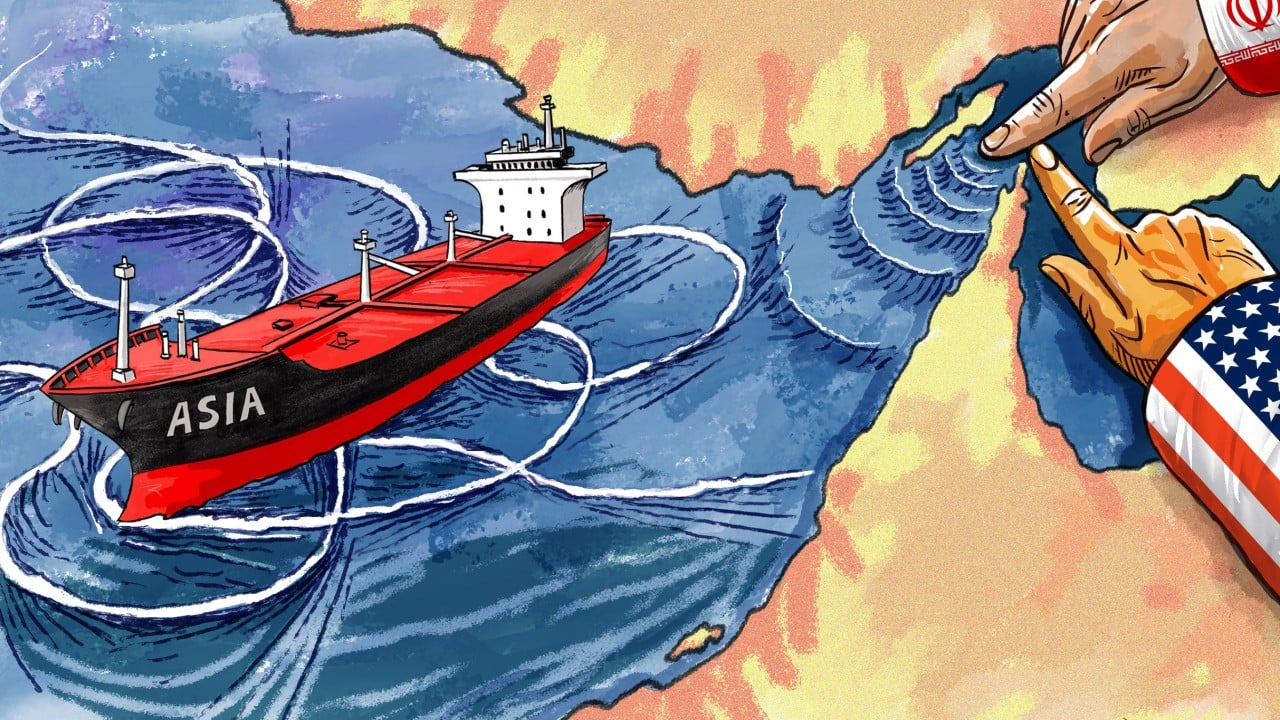
Why an era of managed Hormuz disruption wouldn’t bode well for Asia
Summarized and contextualized by DistantNews.
TLDR
- Asia faces a new era of uncertainty regarding the Strait of Hormuz, where energy flows and shipping routes are increasingly influenced by a crisis beyond its control.
- The waterway remains formally open but is strategically uncertain, leading to weakened commercial confidence and higher political risk for Asian economies.
- This
The Strait of Hormuz, a critical chokepoint for global energy supplies, is no longer just a matter of whether it is open, but whether it remains reliable and insulated from political coercion. For Asia, particularly China, this shift signifies a growing vulnerability as energy flows and shipping routes become increasingly subject to a crisis they do not control.
The current situation is best described as an open-ended holding pattern, contested in substance and susceptible to change. The interruption of US-Iran diplomacy underscores this instability. While negotiations may continue, they are characterized by fits and starts, driven by pressure and distrust rather than a clear path to resolution. This diplomatic uncertainty directly impacts the commercial confidence of Asian importers.
This new "Hormuz disorder" is not necessarily a full-scale war but a durable state of strategic uncertainty. Even if the strait remains formally open, commercial movement will likely continue with diminished confidence, higher premiums, and increased political risk. This prolonged uncertainty can be damaging to Asian economies, even without a dramatic closure of the waterway. The Indo-Pacific region, heavily reliant on these trade routes, must now plan for renewed disruption, a stark departure from the previous status quo.
From a regional perspective, this situation highlights the delicate balance of power in the Gulf and its profound implications for Asian economic stability. While Western media might focus on the geopolitical maneuvering, the core concern for Asian nations is the tangible impact on their energy security and economic predictability. The South China Morning Post, reflecting a regional viewpoint, emphasizes the practical consequences for trade and commerce, urging a focus on resilience and contingency planning in the face of this evolving "Hormuz disorder."
DistantNews Editorial
Originally published by South China Morning Post. Summarized and contextualized by our editorial team with added local perspective. Read our editorial standards.
More Stories


From Our Blog

Countries Without a Free Press: What You Need to Know

What Press Freedom Means for the News You Read

What Gets Lost (and Found) When News Is Translated

The Critical Role of Diaspora Media in Global News

What Travellers Should Know About Countries with Restricted Press
