

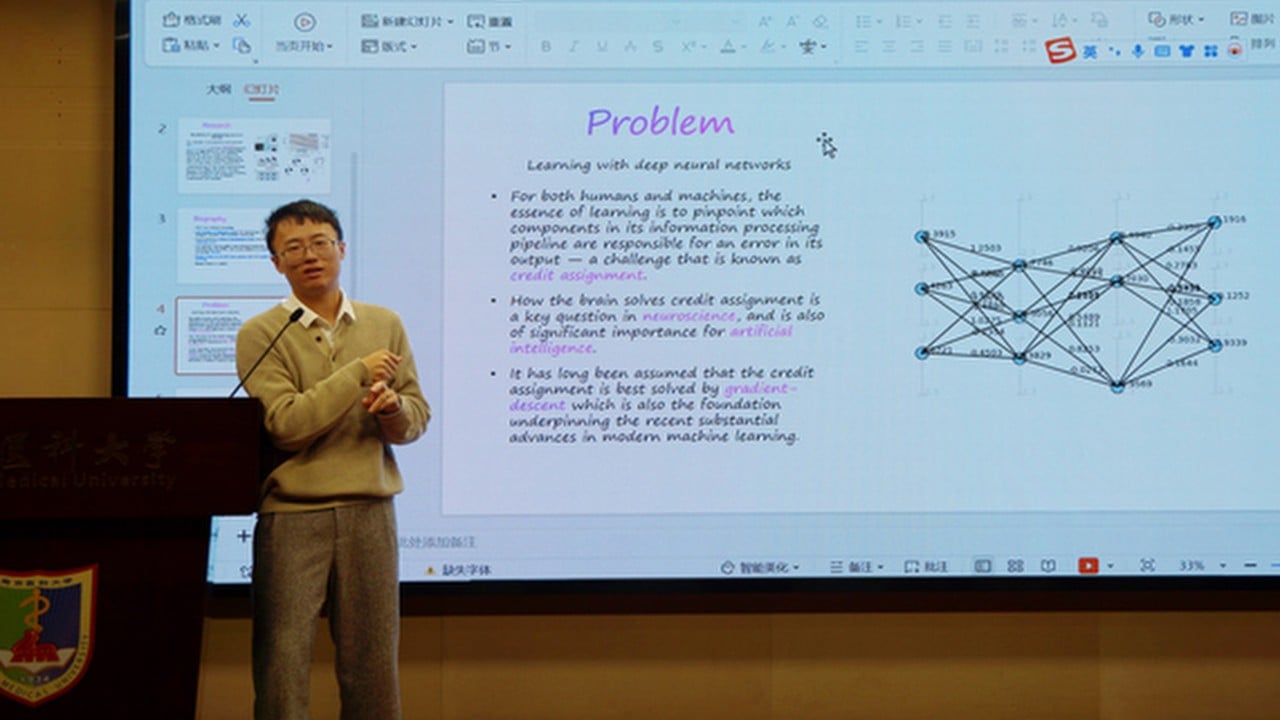

Is China’s Manus Block a Warning for Other AI Firms with Global Ambitions?
Translated from English, summarized and contextualized by DistantNews.
TLDR
- China's National Development and Reform Commission blocked Meta Platforms' proposed acquisition of AI firm Manus.
- This is the first time China's top economic planner has used foreign investment review to unwind a major tech deal.
- State media claims the decision is not a restriction on foreign investment but a clarification of regulatory guidance.
Beijing's decision to block Meta Platforms' acquisition of AI firm Manus, as reported by the South China Morning Post, represents a significant move in China's approach to foreign investment in the critical artificial intelligence sector. While state media, citing CCTV's influential social media account Yuyuan Tantian, frames this as a clarification of regulatory boundaries rather than a restriction, the implications are far-reaching. The NDRC's intervention, the first of its kind using foreign investment review provisions to dismantle a major tech deal, signals a more assertive stance in safeguarding national interests and technological development.
What stands out from Meta’s Manus deal is that the AI industry is transcending simple commercial logic.
The context of Manus moving its core assets to Singapore last year likely fueled Beijing's concerns, potentially viewing it as a model that other Chinese AI companies might adopt for overseas expansion. The state media's commentary, urging companies to "go global when ready" and "pursue partnerships where appropriate," while simultaneously warning to "be on guard" against certain countries using "security reviews" to target AI development, reveals a complex balancing act. China aims to encourage its tech sector's global ambitions while maintaining control and preventing perceived threats to its technological sovereignty.
Certain countries are using mechanisms such as security reviews to expand the scope of scrutiny and blur the definition of threats, targeting the AI development of other nations.
From a Chinese perspective, this action is not about stifling innovation or deterring foreign investment wholesale. Instead, it's about ensuring that such investments align with national security objectives and regulatory frameworks. The state media emphasizes that the order "simply draws a clear line between compliance and non-compliance that offers clearer regulatory guidance for foreign investment." This narrative positions China as a responsible player in the global AI landscape, setting clear rules of engagement while protecting its strategic interests. The focus remains on enabling "better development" through regulation, a principle that guides China's approach to its burgeoning AI industry.
We must be on guard. Regulation, too, is meant to enable better development.
DistantNews Editorial
Originally published by South China Morning Post in English. Translated, summarized, and contextualized by our editorial team with added local perspective. Read our editorial standards.
More Stories


From Our Blog

Countries Without a Free Press: What You Need to Know

What Press Freedom Means for the News You Read

What Gets Lost (and Found) When News Is Translated

The Critical Role of Diaspora Media in Global News

What Travellers Should Know About Countries with Restricted Press
