

Malaysia Considers Cutting Petrol Subsidies for High-Income Earners
Translated from Malay, summarized and contextualized by DistantNews.
TLDR
- The Malaysian government is considering a proposal to cut petrol subsidies for high-income earners (T20 group) to manage the nation's economy.
- Prime Minister Anwar Ibrahim stated that the proposal is under thorough review to ensure effective implementation without burdening the middle class.
- The move aims to rationalize subsidies and provide targeted support to lower-income groups amidst economic challenges.
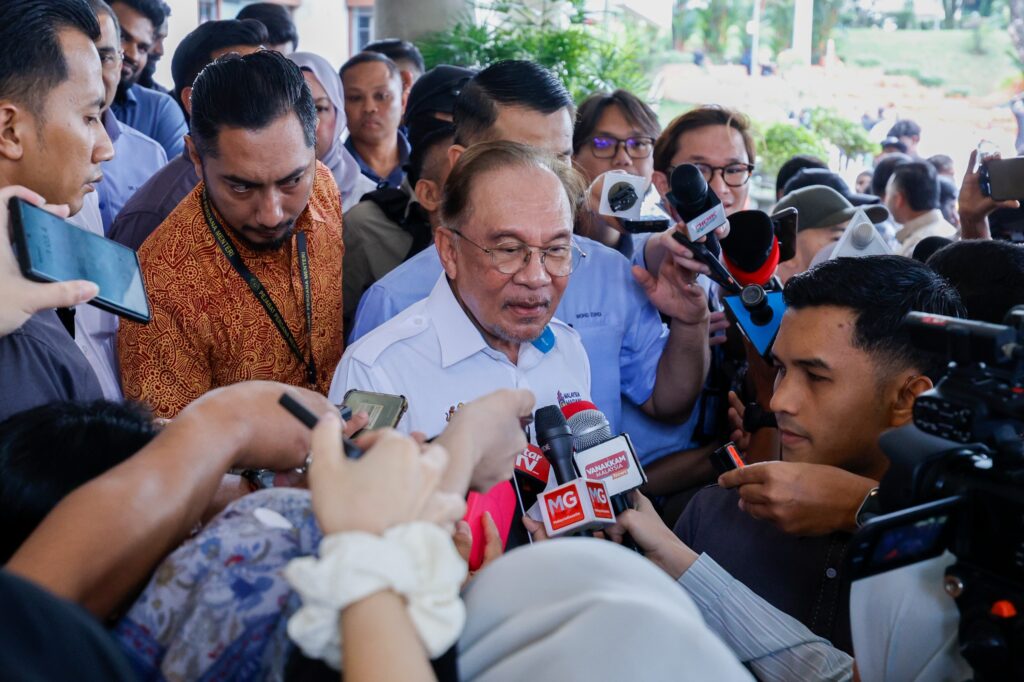
The Malaysian government is actively exploring a significant policy shift: the potential reduction of petrol subsidies for the T20, or top 20% income group. This consideration, as articulated by Prime Minister Datuk Seri Anwar Ibrahim, stems from the need to navigate the current economic climate and ensure fiscal sustainability. The proposal is not being taken lightly; it has been under meticulous examination by a dedicated task force for the past month.
The government is studying the proposal to cut petrol subsidies for high-income groups to help the country navigate the current economic situation.
Prime Minister Anwar emphasized that the government is conducting a thorough assessment to determine the most suitable approach. The key objective is to implement subsidy rationalization effectively, ensuring that the burden does not fall disproportionately on the upper-middle class. The exact threshold, whether T20 or T15 (top 15%), is still under consideration to strike a balance between fiscal prudence and social equity. This cautious approach reflects the government's commitment to ensuring that economic reforms are implemented thoughtfully and with minimal disruption to the majority of the population.
This potential policy change has been gaining traction, with youth wings of political parties, such as UMNO Youth, advocating for the removal of petrol subsidies for the T20 group. Their argument centers on the idea that such subsidies, while beneficial to lower-income households, do not significantly impact the wealthy and could be better utilized elsewhere. The current global economic landscape, marked by geopolitical conflicts, further underscores the urgency for such rationalization measures.
We are just not sure whether it is T20 or T15, so as not to burden the upper middle class and then for ease of implementation.
From a Malaysian perspective, this discussion is crucial. It touches upon the long-standing debate about the fairness and efficiency of blanket subsidies. While subsidies have historically played a vital role in ensuring affordability for the masses, the government's current focus on targeted assistance reflects a maturing economic strategy. The challenge lies in balancing the need for fiscal discipline with the imperative to protect vulnerable populations. The government's careful deliberation signals an understanding of these complexities, aiming for a solution that benefits the nation's economy without unduly penalizing its citizens.
The rationalization of subsidies and targeted subsidies are important when the country is facing economic challenges due to the conflict in West Asia.
DistantNews Editorial
Originally published by Utusan Malaysia in Malay. Translated, summarized, and contextualized by our editorial team with added local perspective. Read our editorial standards.
More Stories

From Our Blog

What Gets Lost (and Found) When News Is Translated

The Critical Role of Diaspora Media in Global News

What Travellers Should Know About Countries with Restricted Press

A Digital Nomad's Guide to Following Local News

How the Same Story Looks Different in Different Countries
