

Malaysia Eyes RM80 Billion Halal Exports Under 13th Malaysia Plan
Translated from Malay, summarized and contextualized by DistantNews.
TLDR
- Malaysia's halal export value is projected to reach RM80 billion under the 13th Malaysia Plan (RMK13).
- This target is expected to increase the sector's contribution to the Gross Domestic Product (GDP) to 11%.
- The government is implementing strategies to enhance the resilience and competitiveness of Small and Medium Enterprises (SMEs) in the halal sector, including diversifying export markets and leveraging Free Trade Agreements.
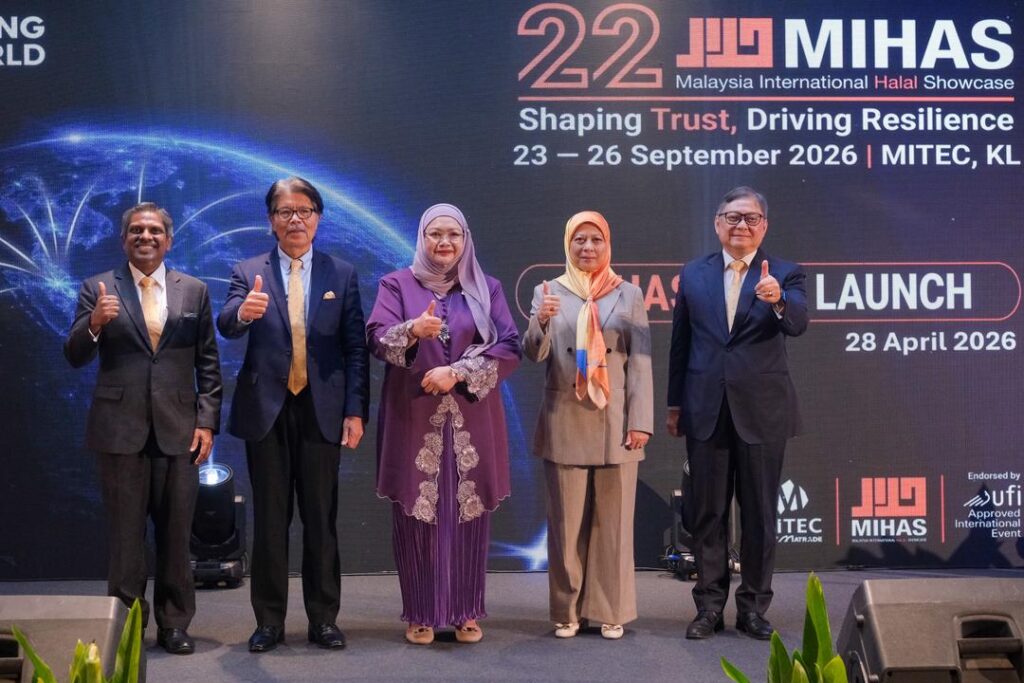
Malaysia is setting its sights high for the halal export sector, projecting a significant surge to RM80 billion under the 13th Malaysia Plan (RMK13). This ambitious target, which aims to boost the sector's contribution to national GDP to 11%, underscores the government's commitment to leveraging the growing global demand for halal products. The Ministry of Investment, Trade and Industry (MITI), along with its agencies like MATRADE and MIDA, is actively working to strengthen the resilience and competitiveness of local Small and Medium Enterprises (SMEs), which form the backbone of our economy.
Malaysia's halal export value is expected to soar to RM80 billion under the 13th Malaysia Plan (RMK13).
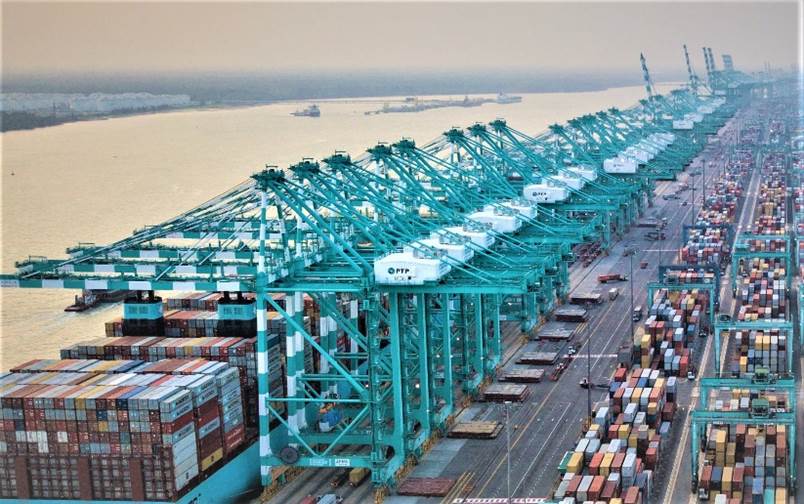
As highlighted by Datuk Bahria Mohd Tamil, Deputy Secretary General (Investment & Management) of MITI, the overall trade performance is robust, with total trade expected to surpass RM3 trillion in 2025. This achievement is a testament to the effectiveness of our economic policies and the adaptability of our businesses in the face of global uncertainties. However, challenges such as rising logistics costs and shipping delays pose a significant burden, particularly for SMEs. To counter this, MITI is focused on key strategies including enhancing productivity, supporting digitalization, facilitating exports, and creating new market opportunities.
Trade Malaysia continues to show resilience and stable momentum. In 2025, total trade will exceed the RM3 trillion mark for the first time, reaching RM3.06 trillion, reflecting a growth of 6.2 percent.
Crucially, Malaysia is looking to diversify its export base by targeting emerging markets in Latin America, Africa, and Central Asia. This strategic move, coupled with the maximized utilization of Free Trade Agreements (FTAs) and the promotion of digital trade through initiatives like MATRADE's Madani Digital Trade Platform (MDTP), demonstrates a forward-looking approach to global commerce. The emphasis on these initiatives reflects Malaysia's dedication to not only meeting but exceeding global standards in the halal industry, solidifying its position as a leading player in the international market.
Exports and imports both achieved record annual values, with exports growing by 6.4 percent to RM1.61 trillion, while imports increased by 6.0 percent to RM1.45 trillion.
From a Malaysian perspective, the growth of the halal export sector is more than just an economic objective; it is a reflection of our identity and our commitment to ethical and sustainable practices. The global halal market represents a significant opportunity, and by focusing on innovation, quality, and strategic market expansion, Malaysia is poised to capitalize on this potential. The government's proactive stance in supporting SMEs and navigating global trade complexities ensures that Malaysia remains competitive and continues to be a preferred destination for halal products worldwide.
If these obstacles are left without any intervention, they risk hindering growth and eroding Malaysia's competitiveness in the global market.
DistantNews Editorial
Originally published by Utusan Malaysia in Malay. Translated, summarized, and contextualized by our editorial team with added local perspective. Read our editorial standards.
More Stories
From Our Blog

What Gets Lost (and Found) When News Is Translated

The Critical Role of Diaspora Media in Global News

What Travellers Should Know About Countries with Restricted Press

A Digital Nomad's Guide to Following Local News

How the Same Story Looks Different in Different Countries
