


Malaysia's Inflation Risk Rises with Prolonged West Asia Conflict
Translated from Malay, summarized and contextualized by DistantNews.
TLDR
- Malaysia's economy faces higher inflation risk if the geopolitical conflict in West Asia continues for over six months, impacting the government's fiscal position.
- If Brent crude oil prices remain above $110 per barrel for an extended period, Malaysia, as an open economy, will be affected through trade channels despite being an oil and gas exporter.
- Inflation, currently forecast at 1.5-2.5%, could exceed 2.5% if global oil price pressures do not ease, potentially leading to adjustments in fuel prices like RON95.
The ongoing geopolitical conflict in West Asia poses a significant threat to Malaysia's economic stability, with inflation expected to rise if the conflict persists beyond six months. This prolonged instability could force the government to re-evaluate its fiscal strategy, potentially including adjustments to domestic fuel prices.
Walaupun permintaan domestik kita kukuh didorong oleh sektor pelancongan, perbelanjaan swasta dan pelaburan pusat data di Johor, ia hanya mampu menampung kelembapan eksport untuk tempoh tertentu.
Alan Tan, Chief Group Economist at Affin, highlights that Malaysia's status as an open economy makes it susceptible to global price fluctuations. Even as an exporter of oil and gas, sustained high crude oil prices, specifically Brent crude exceeding $110 per barrel, will inevitably impact the nation through trade channels. While robust domestic demand, fueled by tourism and private investment, offers some buffer, it cannot indefinitely offset the dampening effect on exports.
Sekiranya perang berlanjutan lebih enam bulan, kerajaan mungkin terpaksa melihat semula kedudukan kewangan fiskal mereka, termasuk kemungkinan membuat pelarasan terhadap harga bahan api RON95
The current inflation forecast of 1.5-2.5% is under review. Should the conflict continue and oil prices remain elevated, inflation could breach the 2.5% mark. This scenario might necessitate difficult decisions regarding subsidies, including potential adjustments to the price of RON95 fuel, a critical commodity for many Malaysians.
Kuasa besar dunia ketika ini dilihat bukan sahaja melibatkan ASEAN, malah sebenarnya bersaing dalam ASEAN. Kita perlu melihat gambaran lebih besar bagaimana inflasi ini memberi kesan kepada pertumbuhan perniagaan di sekitar Asia.
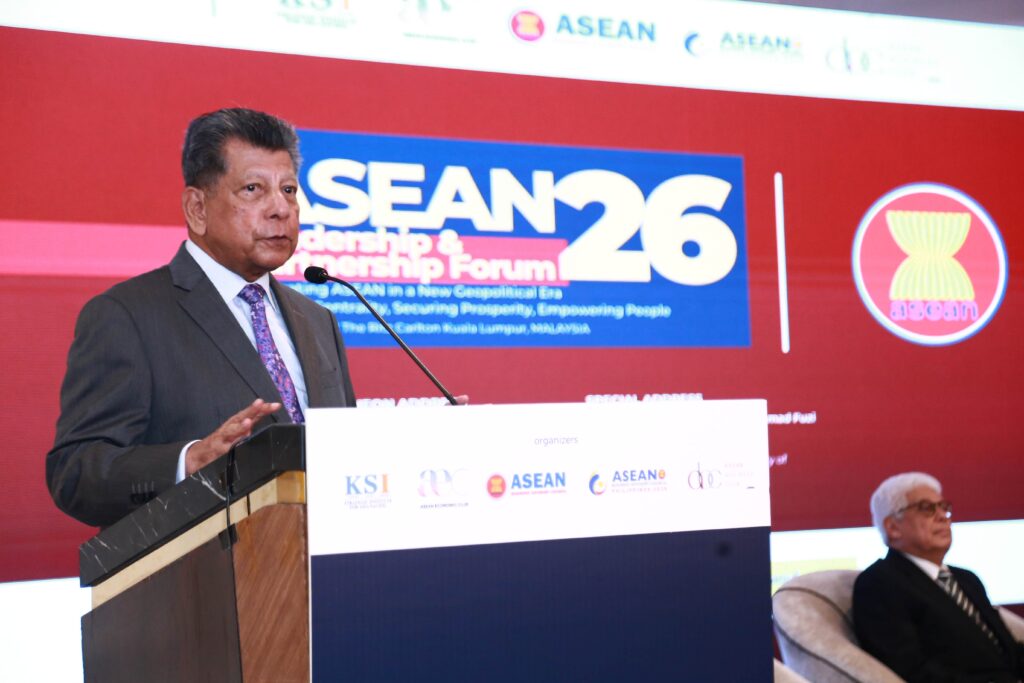
Mohd Sedek Jantan, Investment Strategy Director and National Economist at IPPFA, emphasizes the need for greater ASEAN coordination to navigate these challenges. He points out that global powers are not only competing within ASEAN but also influencing its member states. While the Malaysian government has strived to mitigate the impact through price controls on essential goods, the resilience of the economy will be tested by these global factors. A coordinated approach among ASEAN nations is crucial to ensure regional economic stability and prevent fragmentation.
Di Malaysia, kepimpinan kerajaan setakat ini cuba meminimumkan impak melalui kawalan harga keperluan asas termasuk pengangkutan awam, namun daya tahan ini akan terus diuji oleh faktor global.
DistantNews Editorial
Originally published by Utusan Malaysia in Malay. Translated, summarized, and contextualized by our editorial team with added local perspective. Read our editorial standards.
More Stories

From Our Blog

What Gets Lost (and Found) When News Is Translated

The Critical Role of Diaspora Media in Global News

What Travellers Should Know About Countries with Restricted Press

A Digital Nomad's Guide to Following Local News

How the Same Story Looks Different in Different Countries
