

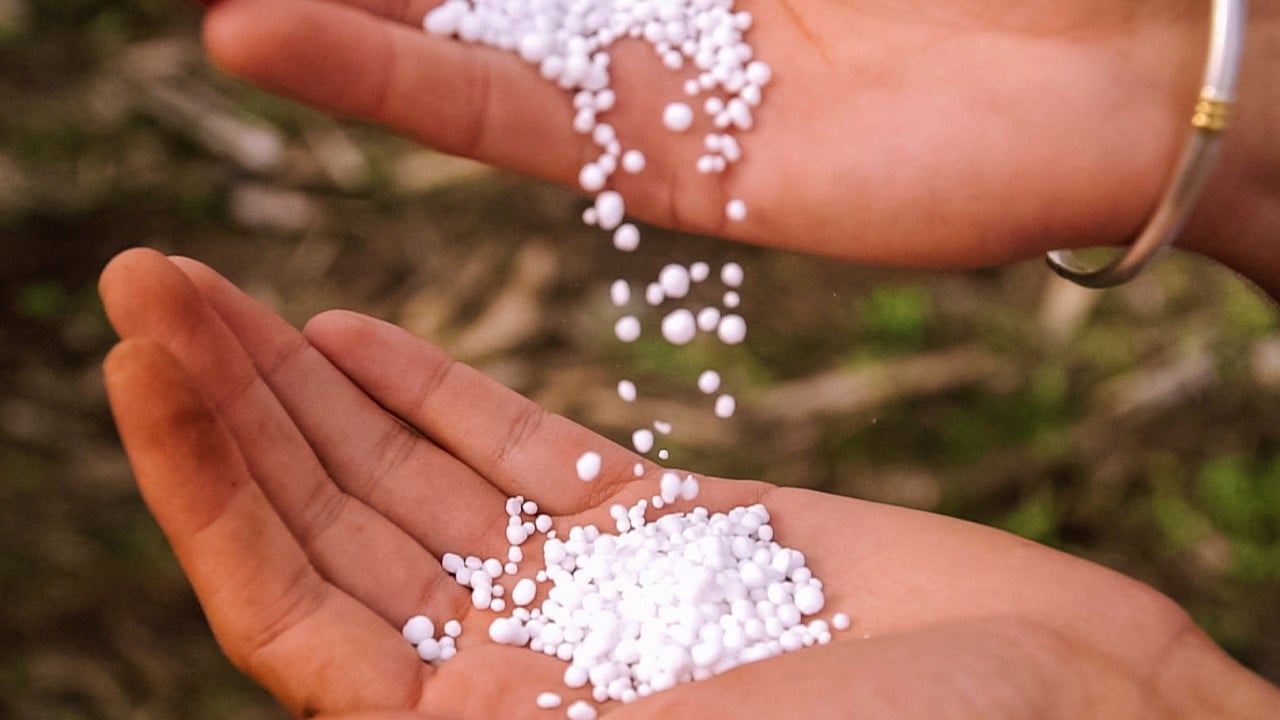

Prepare for ‘China shock 3.0’ to the global food economy
Summarized and contextualized by DistantNews.
TLDR
- China is poised to reshape global agricultural commodity supply chains through industry policy, similar to its manufacturing dominance.
- Beijing plans to mobilize capital and coordinate policy for food security, focusing on domestic innovation in areas like synthetic biology and genetic engineering.
- Producer countries dependent on China for soy, beef, and dairy exports, such as the US, Brazil, and New Zealand, are advised to build alternative market relationships.
The South China Morning Post, a publication deeply connected to understanding China's economic and political trajectory, highlights a critical, yet under-reported, development: Beijing's strategic pivot towards achieving food security through industrial policy. This isn't merely about feeding its population; it's about replicating the 'China shock' seen in manufacturing, but this time in agriculture.
The report, 'China's Food Future,' funded by the Gordon and Betty Moore Foundation, signals that China is set to apply the same playbook that propelled its dominance in sectors like batteries, solar power, and semiconductors to the global food economy. This involves leveraging Beijing's unparalleled ability to coordinate policy, scale production, and mobilize capital at breakneck speed.
China is poised to “reshape global agricultural commodity supply chains”.
This strategic focus on food security is driven by a decades-long obsession in Beijing, now amplified under President Xi Jinping. The implications are profound, particularly for agricultural exporters like the United States, Brazil, and New Zealand. The SCMP's analysis underscores the urgent need for these nations to diversify their markets, as China's drive for self-sufficiency in key commodities like soy, beef, and dairy will inevitably reshape global supply chains. This is not just an economic shift; it's a geopolitical one, with significant ramifications for global food stability and trade relationships.
Producer countries who are dependent on China as a destination for soy, beef and dairy need to build alternative market relationships now.
DistantNews Editorial
Originally published by South China Morning Post. Summarized and contextualized by our editorial team with added local perspective. Read our editorial standards.
More Stories

From Our Blog

Countries Without a Free Press: What You Need to Know

What Press Freedom Means for the News You Read

What Gets Lost (and Found) When News Is Translated

The Critical Role of Diaspora Media in Global News

What Travellers Should Know About Countries with Restricted Press
