

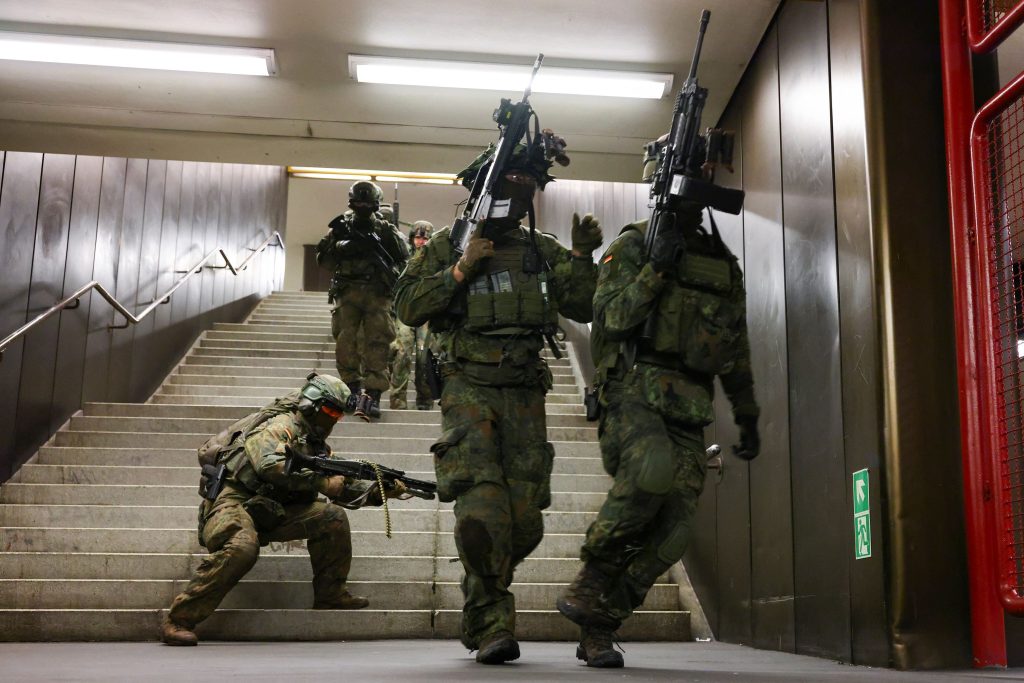
Reactions in Germany to Trump's Decision to Withdraw 5,000 U.S. Soldiers
Translated from Greek, summarized and contextualized by DistantNews.
TLDR
- German politicians reacted with a mix of calm and criticism to the Pentagon's announcement of withdrawing 5,000 U.S. troops from Germany.
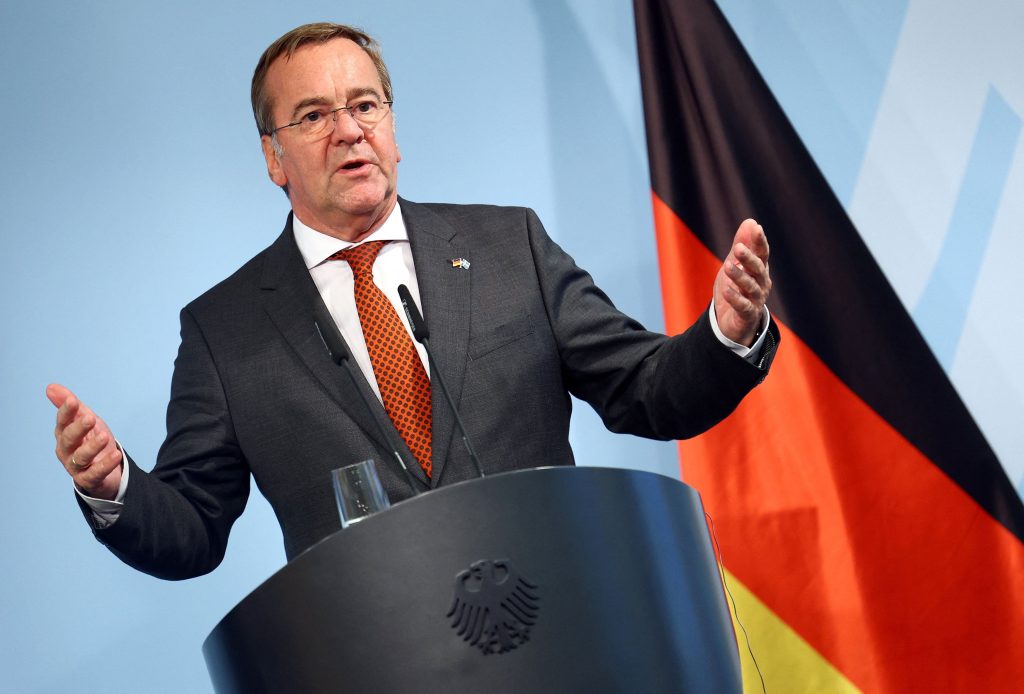
- Defense Minister Boris Pistorius called the move 'expected' and stressed the need for Europeans to take greater responsibility for their own security.
- Concerns were raised about the U.S. president's approach, with some critics labeling it 'uncoordinated' and 'unacceptable' for a security partnership.
The announcement by the Pentagon regarding the withdrawal of 5,000 U.S. troops from German soil has elicited a measured, yet critical, response from the German political landscape. While acknowledging the move as perhaps 'expected,' as stated by Defense Minister Boris Pistorius, there's a clear undercurrent of concern regarding the implications for European security and the nature of the transatlantic alliance. The sentiment here in Germany is that while we must increasingly shoulder our own defense responsibilities, the manner in which such decisions are communicated and implemented by our American partners leaves much to be desired.
Οι Ευρωπαίοι οφείλουν να αναλάβουν μεγαλύτερη ευθύνη για τη δική τους ασφάλεια.
Key figures across the political spectrum have voiced their opinions. Thomas Reevenskamp, chairman of the Bundestag's Defense Committee, described the situation as a 'wake-up call' but cautioned against panic. However, he did not shy away from criticizing the U.S. president's 'uncoordinated' approach, emphasizing that a security partnership is not a 'business deal' and NATO is not a 'bargaining chip.' This sentiment resonates strongly; the perception is that President Trump's actions are often driven by domestic political considerations, such as upcoming elections, rather than strategic alliance needs. This unpredictability undermines the very foundation of deterrence that NATO is meant to provide.
Μια εταιρική σχέση ασφαλείας δεν είναι εμπορική συμφωνία και το ΝΑΤΟ δεν είναι παζάρι. Επομένως, οι συνεχείς προκλήσεις του Αμερικανού προέδρου είναι απαράδεκτες.
From the opposition, the Green Party's foreign policy spokesperson, Sarah Nanni, called for a 'coordinated European response,' highlighting Europe's own importance to the U.S. Meanwhile, the Left party's parliamentary group leader, Sören Pellmann, welcomed the withdrawal, arguing that military operations from German soil are incompatible with Germany's constitutional mandate for peace. The far-right AfD also reiterated its long-standing demand for U.S. troop withdrawal, advocating for greater European self-reliance in defense. This diverse range of reactions underscores a complex national debate about Germany's role in security, its relationship with the U.S., and the future of European defense capabilities in light of shifting American priorities. The German perspective often diverges from a purely NATO-centric view, emphasizing national sovereignty and the need for strategic autonomy within Europe.
Ο Τραμπ βλέπει ότι χάνει έδαφος ενόψει των ενδιάμεσων εκλογών του Νοεμβρίου.
DistantNews Editorial
Originally published by Ta Nea in Greek. Translated, summarized, and contextualized by our editorial team with added local perspective. Read our editorial standards.
More Stories
From Our Blog

What Gets Lost (and Found) When News Is Translated

The Critical Role of Diaspora Media in Global News

What Travellers Should Know About Countries with Restricted Press

A Digital Nomad's Guide to Following Local News

How the Same Story Looks Different in Different Countries
