

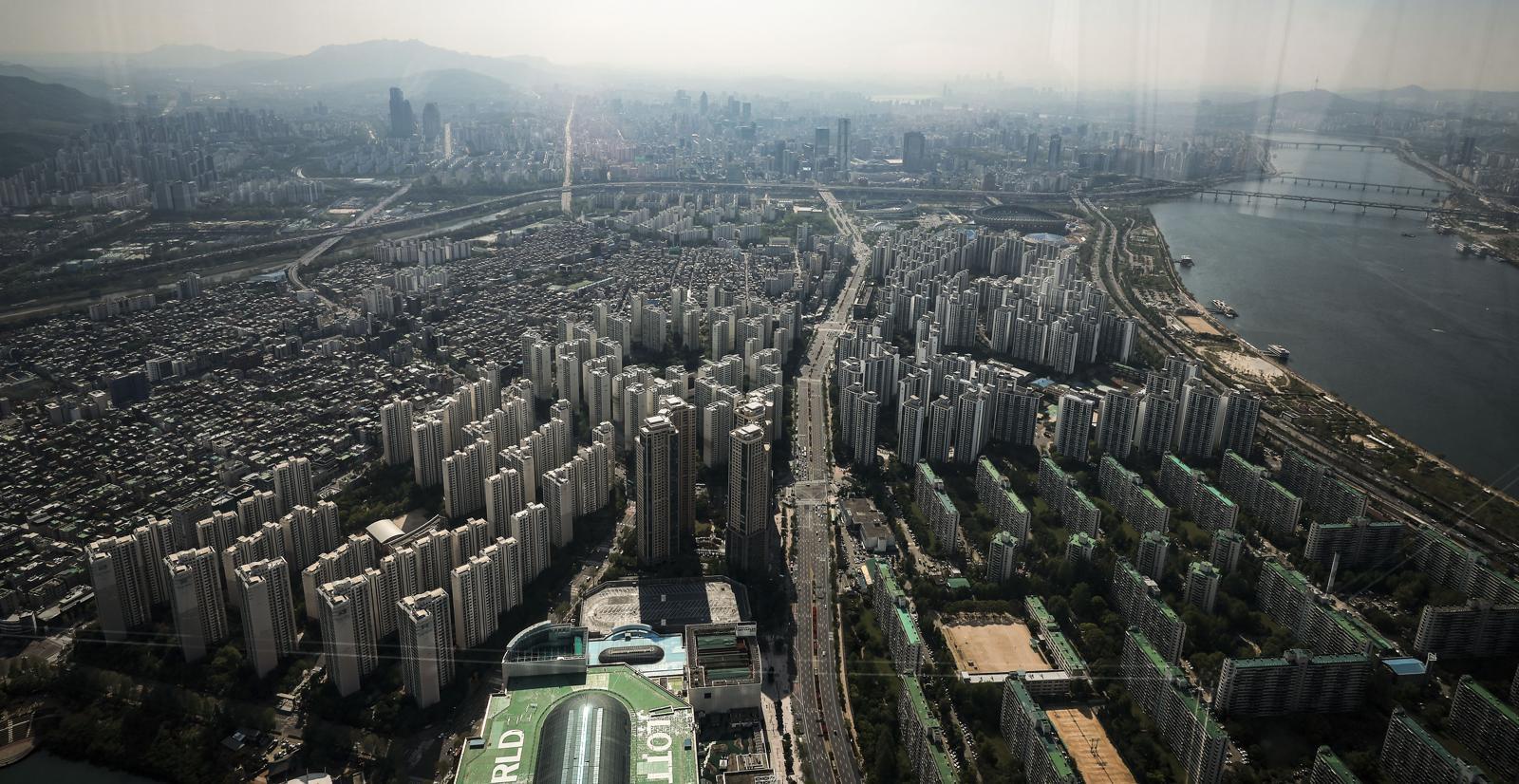

South Korea Housing Price Expectations Plummet
Translated from Korean, summarized and contextualized by DistantNews.
TLDR
- Expectations for rising housing prices in South Korea have significantly decreased, with only 56% of experts anticipating an increase in April, down from 81% in January.
- Real estate agents also reported a sharper decline in price increase expectations, dropping from 76% to 46% over the same period.
- The shift in sentiment is attributed to factors like the end of a tax grace period for multiple homeowners and potential tax hikes, leading to increased listings and a cooling market, particularly in Seoul's affluent Gangnam district and other key areas.
The recent report from KB Financial Group highlights a significant cooling of the South Korean real estate market, a stark contrast to the fervent expectations just months prior. While the headline might suggest a simple drop in price forecasts, the reality on the ground is more complex, reflecting anxieties about government policy and market stability.
The housing price increase outlook is rapidly cooling.
Experts and real estate agents, who are often the first to sense shifts in market sentiment, have seen their optimism about rising home prices plummet. This dramatic fall, from over 80% expecting increases in January to just over half in April, indicates a palpable change in the air. This isn't just a minor fluctuation; it's a clear signal that the speculative fervor that has characterized parts of the market is waning.
The expectation of a housing price increase fell by 25 percentage points from 81% in January to 56% in April.
The report points to the impending end of the capital gains tax grace period for multiple homeowners and the specter of further tax increases as key drivers of this change. For many, the calculus of owning multiple properties is shifting, leading to an increase in properties hitting the market. This is particularly noticeable in prime areas like Seoul's Gangnam district, where the market had previously shown signs of overheating.
The market atmosphere has reversed due to the end of the multi-homeowner capital gains tax grace period and the highlighting of potential tax increases.
While the national picture shows a slowdown, the regional variations are important. The 수도권 (metropolitan Seoul area) still sees some expectation of price increases, albeit at a moderated level. However, outside of the capital region, a majority now anticipate prices to fall. This divergence underscores the ongoing regional disparities within South Korea's economy and housing market, a persistent concern for policymakers and citizens alike.
The housing market, which showed overheating centered around Seoul's Gangnam 3 districts and major areas in Gyeonggi Province, appears to have entered a cooling phase.
DistantNews Editorial
Originally published by Hankyoreh in Korean. Translated, summarized, and contextualized by our editorial team with added local perspective. Read our editorial standards.
More Stories
From Our Blog

What Gets Lost (and Found) When News Is Translated

The Critical Role of Diaspora Media in Global News

What Travellers Should Know About Countries with Restricted Press

A Digital Nomad's Guide to Following Local News

How the Same Story Looks Different in Different Countries
