


South Korean Constitutional Amendment Fails Amidst Fierce Political Dispute
Translated from Korean, summarized and contextualized by DistantNews.
TLDR
- A proposed constitutional amendment in South Korea, aimed at strengthening parliamentary control over emergency decrees, failed to pass the National Assembly.
- The Democratic Party condemned the People Power Party for obstructing the amendment, accusing them of political maneuvering.
- The People Power Party countered that the Democratic Party lacked genuine intent for constitutional revision and was using the issue for electoral gain.
The political landscape in Seoul is charged with recrimination following the dramatic collapse of a crucial constitutional amendment aimed at reining in emergency powers. Dong-A Ilbo reports that the proposed changes, which sought to enhance the National Assembly's oversight of emergency decrees – a move long overdue since the 1987 constitution – were ultimately blocked, leading to a fierce exchange between the ruling and opposition parties.
It is after this that we will clearly receive great criticism and judgment from our citizens.
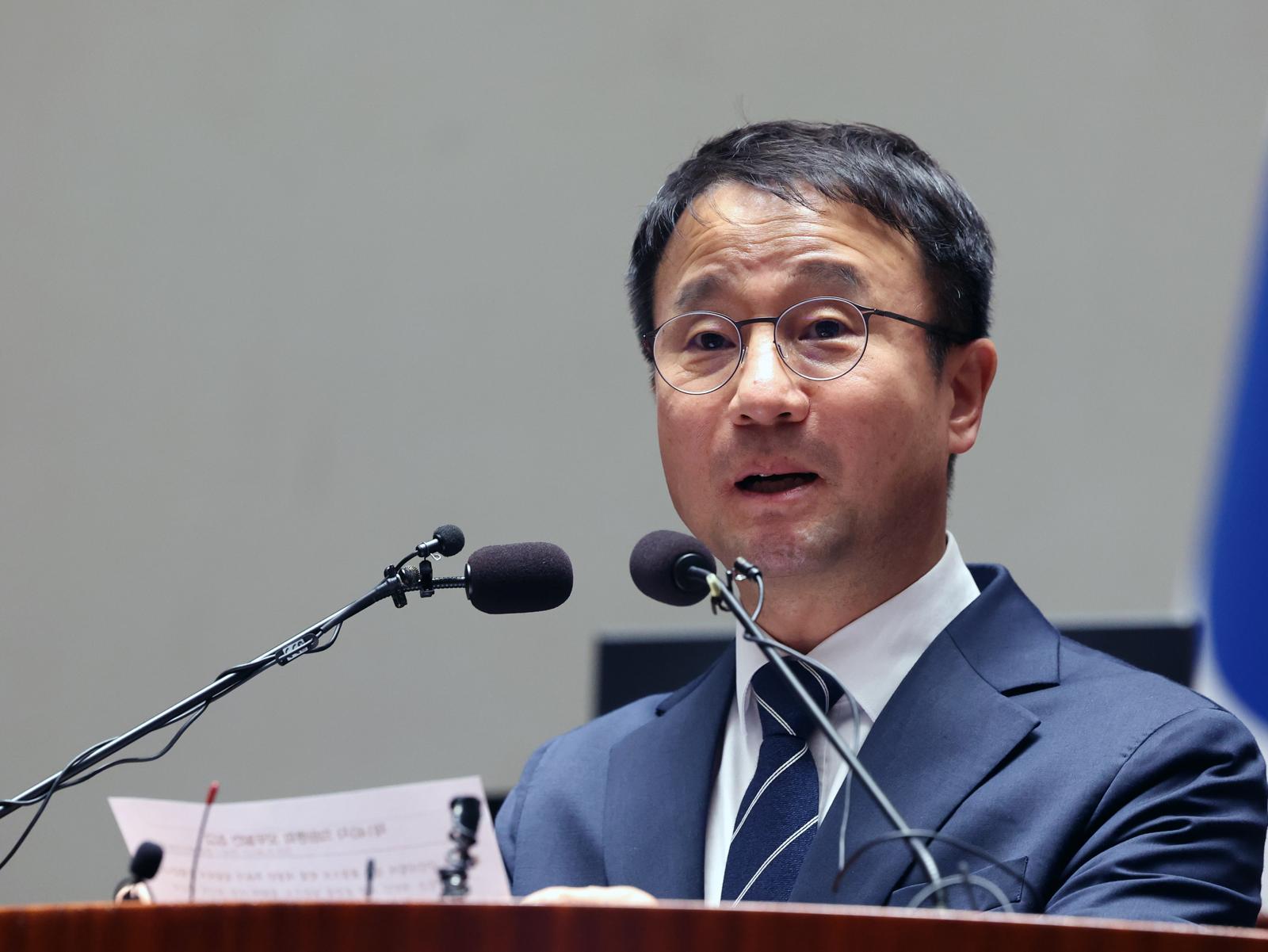
The Democratic Party, represented by Floor Leader Han Byung-do, did not mince words, accusing the People Power Party of obstructing a vital reform and vowing that they would face public condemnation and judgment. The Democrats argue that the amendment contained only consensus points and that the opposition's filibuster was a politically motivated tactic to prevent a necessary check on executive power, particularly in light of historical concerns about the potential for abuse of emergency measures.
Conversely, the People Power Party, through Floor Leader Song Eon-seok, dismissed the Democrats' claims, suggesting that the push for amendment was disingenuous and primarily intended to create a narrative of opposition for electoral advantage. They questioned the necessity of constitutional changes when existing laws already deem certain emergency decrees unconstitutional, framing the Democrats' actions as a ploy to label the opposition as anti-democratic.
Did you need a record of the People Power Party's opposition?
This deadlock is a stark illustration of the deep partisan divisions plaguing South Korean politics. The failure to pass this amendment, particularly one addressing fundamental issues of democratic control, is a significant setback. From our perspective, the intense political maneuvering and the rhetoric employed by both sides overshadow the substantive need for constitutional reform. Dong-A Ilbo believes that such critical matters deserve more sober deliberation, free from the immediate pressures of electoral cycles, to ensure the robustness of our democratic institutions.
If such illegal martial law occurs again in 20 or 30 years, the People Power Party will become a sinner of history.
DistantNews Editorial
Originally published by Dong-A Ilbo in Korean. Translated, summarized, and contextualized by our editorial team with added local perspective. Read our editorial standards.
More Stories


From Our Blog

What Gets Lost (and Found) When News Is Translated

The Critical Role of Diaspora Media in Global News

What Travellers Should Know About Countries with Restricted Press

A Digital Nomad's Guide to Following Local News

How the Same Story Looks Different in Different Countries
