

Trump claims hostilities with Iran ended, sparking Democratic opposition
Translated from Malay, summarized and contextualized by DistantNews.
TLDR
- President Donald Trump declared that hostilities with Iran have ended, asserting he does not need Congressional approval to continue the conflict.
- Trump stated in a letter to Congress that there have been no further exchanges of fire since a ceasefire took effect.
- Democrats criticized Trump's claim, arguing that a ceasefire does not negate the need for Congressional authorization under the War Powers Resolution and that the continued presence of U.S. warships constitutes ongoing hostility.
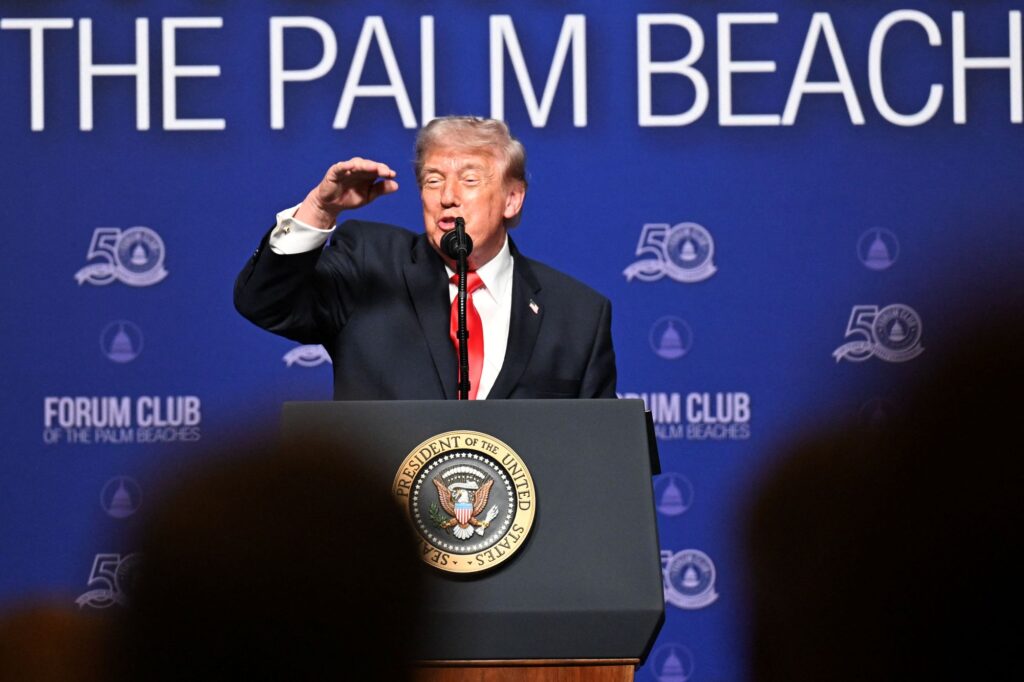
President Donald Trump's declaration that the "hostilities that began on February 28, 2026, have ended" with Iran marks a significant, albeit contentious, moment in U.S. foreign policy. In a letter to Congressional leaders, Trump asserted that no further exchanges of fire have occurred since a ceasefire was implemented, thereby attempting to circumvent the 1973 War Powers Resolution, which limits military engagement to 60 days without Congressional approval. This move, predictably, has drawn sharp criticism from Democrats.
Permusuhan yang bermula pada 28 Februari 2026 telah ditamatkan
From the perspective of the Trump administration, this declaration is a strategic maneuver to maintain flexibility in foreign engagements without the encumbrance of legislative oversight. The argument hinges on the interpretation of "hostilities" and the effect of a ceasefire. By claiming the conflict has ended, Trump aims to sidestep the legal requirement to seek an extension or formal authorization from Congress, which has been a point of contention throughout his presidency.
tiada lagi pertukaran tembakan dengan Iran sejak gencatan senjata dikuatkuasakan.
However, Democratic lawmakers, including Senator Jeanne Shaheen, vehemently reject this interpretation. They argue that the continued deployment of U.S. warships off the coast of Iran, effectively blockading Iranian oil exports, constitutes ongoing hostility. For them, a mere cessation of direct fire does not equate to the end of hostilities, especially when significant military assets remain engaged. They view Trump's actions as a deliberate attempt to undermine Congressional authority and prolong military involvement without accountability.
undang-undang kuasa perang itu tidak terpakai.
This situation highlights a recurring tension between the executive and legislative branches regarding the use of military force. While Trump views the War Powers Resolution as unconstitutional and a ceasefire as a valid reason to pause the 60-day clock, Democrats see this as a dangerous precedent that erodes checks and balances. The international community, particularly allies and adversaries alike, will be watching closely to see how this legal and political battle unfolds, and what it signifies for the future of U.S. military interventions abroad.
menganggap undang-undang itu tidak berperlembagaan
DistantNews Editorial
Originally published by Utusan Malaysia in Malay. Translated, summarized, and contextualized by our editorial team with added local perspective. Read our editorial standards.
More Stories

From Our Blog

What Gets Lost (and Found) When News Is Translated

The Critical Role of Diaspora Media in Global News

What Travellers Should Know About Countries with Restricted Press

A Digital Nomad's Guide to Following Local News

How the Same Story Looks Different in Different Countries
