


Why Does China Portray India as an Elephant? Decoding the Politics of Animal Analogy
Translated from English, summarized and contextualized by DistantNews.
TLDR
- China's former Premier Wen Jiabao proposed the 'dragon and elephant' analogy for China-India relations in 2010, framing them as potential dance partners.
- This analogy, already used in Western circles, was formally adopted into China's diplomatic language.
- India has consistently declined to reciprocate the 'dance' metaphor, with some Indian experts suggesting this reflects a distrust shaped by military confrontations, while Chinese analysts see it as a sign of respect for India's heritage.
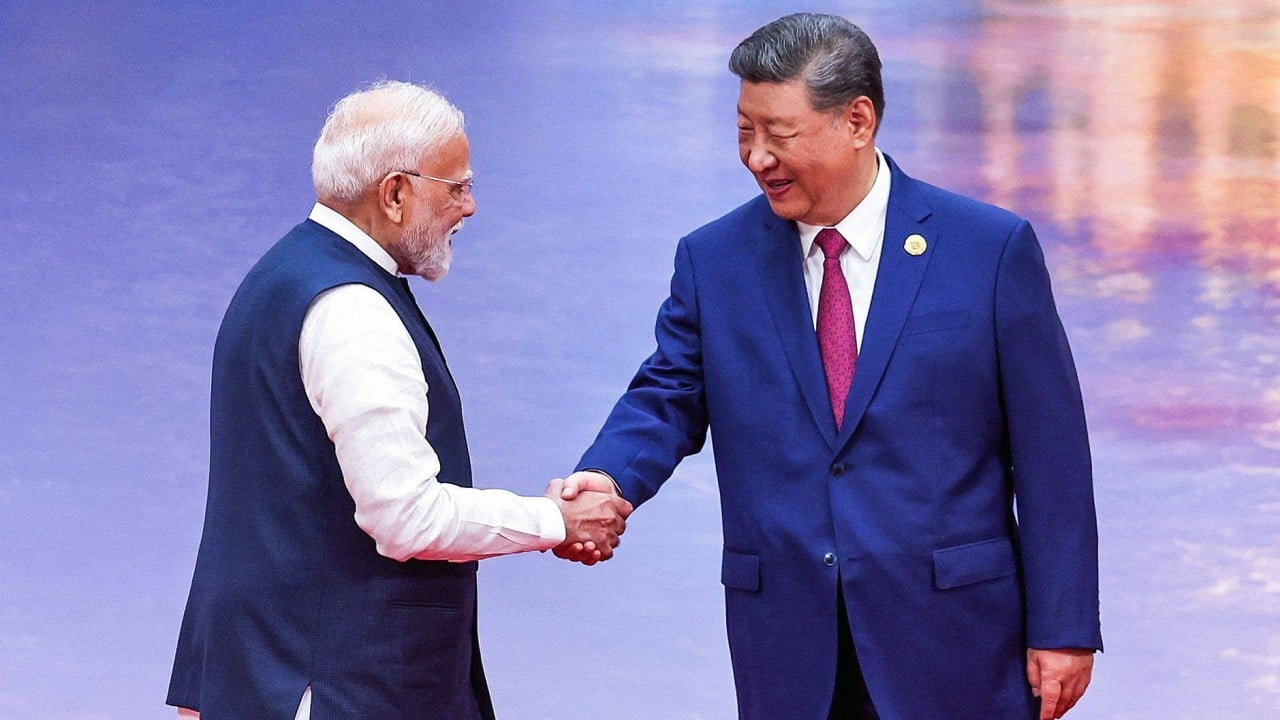
For years, Beijing has extended a metaphorical olive branch to New Delhi, framing their complex relationship through the lens of the 'dragon and the elephant.' This analogy, first publicly floated by then-Premier Wen Jiabao in 2010, suggests a partnership, a 'tango' between the two Asian giants.
the dragon and the elephant should tango
While the 'dragon' is an unmistakable symbol for China, the 'elephant' for India has been embraced by Chinese leaders and amplified by state media. It's a narrative that positions both nations as significant civilizational forces, capable of cooperating on the global stage. Chinese analysts often interpret this as Beijing's respect for India's ancient heritage and its potential as a development partner, rather than merely a rival.
However, India has largely remained aloof from this particular diplomatic flourish. New Delhi's reluctance to join the metaphorical dance is telling. From an Indian perspective, the symbolism of a 'dance' or 'tango' can feel incongruous, even naive, when juxtaposed against a history marked by border tensions, military confrontations, and a deep-seated distrust. The lived experience of strategic competition and security concerns often overshadows the poetic overtures from Beijing.
the dragon and the elephant should tango
This divergence in how the 'dragon and elephant' analogy is perceived highlights a fundamental difference in approach. While China may seek to frame the relationship through symbolic gestures of partnership, India's foreign policy calculus is more grounded in pragmatic security considerations and a cautious assessment of China's regional ambitions. The South China Morning Post's reporting captures this delicate diplomatic dance, where one partner extends a hand, and the other, mindful of past encounters, hesitates to join the waltz.
the phrase underscores the two countries as development partners rather than rivals, and signals Beijing’s respect for India’s civilisational heritage.
DistantNews Editorial
Originally published by South China Morning Post in English. Translated, summarized, and contextualized by our editorial team with added local perspective. Read our editorial standards.
More Stories
From Our Blog

Countries Without a Free Press: What You Need to Know

What Press Freedom Means for the News You Read

What Gets Lost (and Found) When News Is Translated

The Critical Role of Diaspora Media in Global News

What Travellers Should Know About Countries with Restricted Press
