

US and Nato Faced with Frustrating ‘Marriage Crisis’, Belgian Defence Minister Says
Translated from English, summarized and contextualized by DistantNews.
TLDR
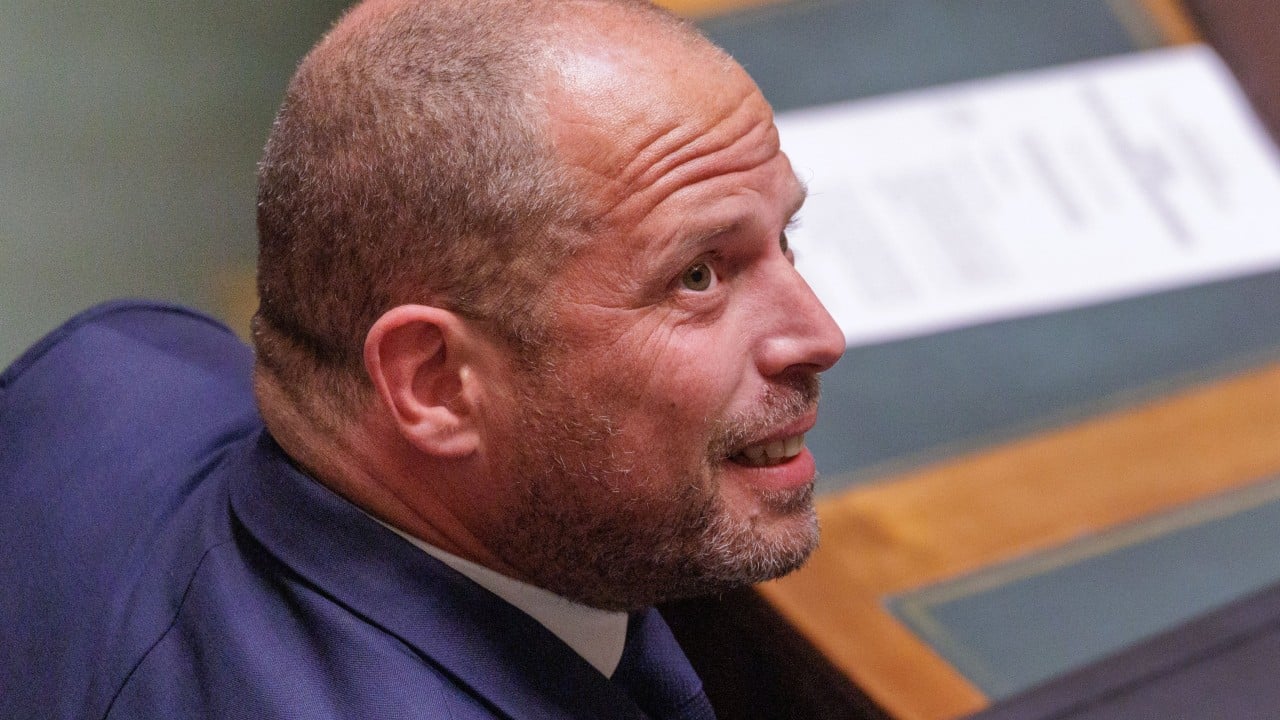
- Belgian Defence Minister Theo Francken described the US-Nato relationship as a "marriage crisis," citing significant frustration and miscomprehension on both sides of the Atlantic.
- Francken urged the US to remain committed to its allies, warning that a failure to do so could lead to America's decline.
- The comments come amid ongoing tensions, with President Trump frequently criticizing NATO allies for perceived underspending on defense and threatening to withdraw from the alliance.
Belgian Defence Minister Theo Francken's stark assessment of a "marriage crisis" between the US and NATO resonates deeply with concerns voiced across Europe. Speaking in Washington, Francken didn't mince words, highlighting the "lot of frustration" and "miscomprehension" plaguing the transatlantic alliance. This isn't just diplomatic nicety; it reflects a genuine anxiety about the future of a security framework that has underpinned global stability for nearly 80 years. From our perspective at the South China Morning Post, observing these dynamics from Asia, the strain on this vital partnership is a cause for significant concern.
I'm convinced that we're having a marriage crisis … There's a lot of frustration on both sides of the Atlantic. A lot of miscomprehension of one another’s position and sometimes even anger.
Francken's plea for the US to "stand with its allies" is a direct challenge to the transactional approach often championed by President Trump. The Belgian minister's warning that a failure to uphold commitments could lead to "America's fall" is a powerful reminder that the alliance's strength is reciprocal. It suggests that the US, despite its power, is not immune to the consequences of alienating its partners. This perspective is crucial, as it counters the narrative that the US can unilaterally dictate terms without repercussions.
That’s dangerous because geopolitical times are very unstable [and] difficult … And it’s better that we’re united.
The context of President Trump's repeated criticisms – labeling NATO a "paper tiger" and accusing allies of "freeloading" – cannot be ignored. These remarks, coupled with threats of withdrawal, create an environment of uncertainty that is particularly dangerous in today's volatile geopolitical landscape. The recent flashpoint over the Strait of Hormuz, where Trump labeled allies "cowards" for their reluctance to join US efforts, exemplifies the deep-seated friction.
paper tiger
While Western media often focuses on the internal political motivations behind Trump's rhetoric, our coverage at the South China Morning Post also considers the broader implications for global security, particularly from an Asian viewpoint. A weakened NATO, or a fractured transatlantic relationship, could embolden adversaries and create power vacuums that destabilizing forces might exploit. Francken's candid remarks serve as a critical warning: the "marriage crisis" is not merely a bilateral issue but a global one, with profound consequences for international order.
cowards
DistantNews Editorial
Originally published by South China Morning Post in English. Translated, summarized, and contextualized by our editorial team with added local perspective. Read our editorial standards.
More Stories
From Our Blog

Countries Without a Free Press: What You Need to Know

What Press Freedom Means for the News You Read

What Gets Lost (and Found) When News Is Translated

The Critical Role of Diaspora Media in Global News

What Travellers Should Know About Countries with Restricted Press
